Isle of Gigha, Scotland | Cruise Port Guide

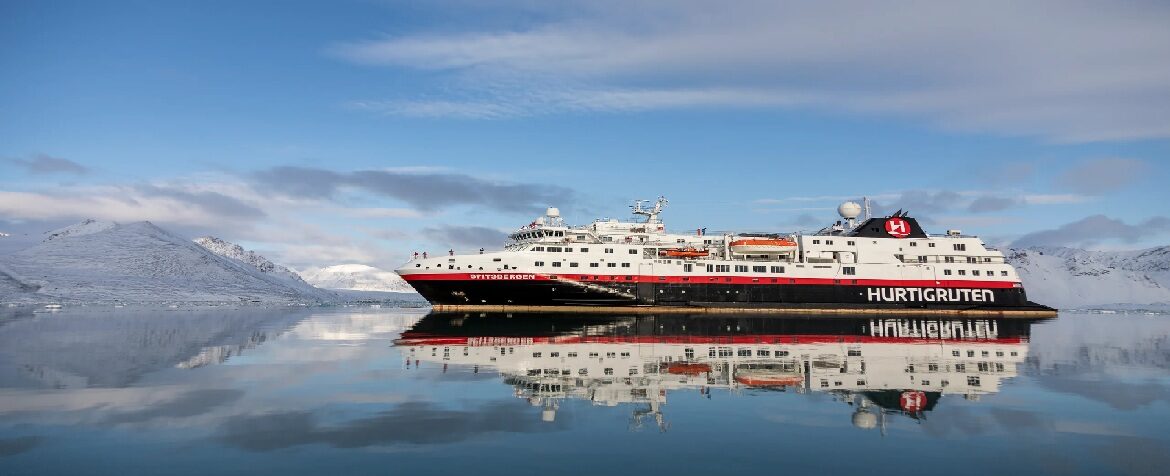
Off the Kintyre peninsula lies a strip of land ten kilometres long and two wide that the Gulf Stream treats with surprising gentleness. Palm trees grow here at the same latitude as Labrador. Gigha, the southernmost of the Hebrides, owes its nickname "God's Island," a legacy from the Vikings, to this microclimate, and above all its gardens, among the most celebrated in western Scotland. Cruise ships, mostly small in size, anchor off Ardminish, the island's only village, and ferry their passengers ashore by tender.

Ardminish, a Village on a Cove

Landing takes place in a peaceful bay lined with a few white houses, a school, a hotel, and a general store that also doubles as a café. Almost all of island life is concentrated right here. Since 2002, the roughly 160 residents have collectively owned their land, bought back after a campaign that left its mark on rural Scotland. Visitors notice it quickly: community projects are proudly on display, from the redeveloped pier to the wind turbines nicknamed the "Dancing Ladies," which help fund local life.

The Gardens of Achamore

A kilometre and a half from the landing, a tree-lined avenue leads to the Achamore Gardens, started in 1944 by Sir James Horlick, a keen horticulturist who devoted his fortune to this green masterwork. Across some twenty hectares bloom rhododendrons, camellias, azaleas, and subtropical species that have no business growing under a Scottish sky, yet thrive here thanks to the warmth of the sea current. The paths wind between the flower beds, open onto clearings, and hold one final reward: a viewpoint along the garden's western ridge, from where the hills of Islay and Jura can be seen across the water. Allow a good hour to tour it at an easy pace; the gardeners you'll pass along the way are happy to answer questions, and spring, when the rhododendrons bloom, turns some of the understory into tunnels of colour.

Twin Beaches and a Medieval Chapel

Those with more time can continue on to the north of Gigha, where two crescents of pale sand meet back to back on a narrow isthmus, facing clear water. The "Twin Beaches" of Eilean Garbh take about an hour to reach on foot from the village, along a quiet road where bicycles, available to rent near the store, can save precious time. A modest nine-hole golf course, where you pay your green fee into an honesty box, adds a touch of island eccentricity. On the way back, a stop is a must at the ruins of Kilchattan Chapel, built in the 13th century, surrounded by carved gravestones where swords and ships can be made out. Nearby, a standing stone engraved with ogham script keeps its mystery, one of the rare inscriptions of this kind found in Scotland.

A Taste of the Sea

The sea also feeds the islanders. Lobster and crab landed at the pier end up on the menu at the Boathouse, a restaurant set in a former boat shed facing the bay, now a popular stop for passing sailors. Oysters farmed nearby round out this maritime spread, paired, for the curious, with a locally made goat cheese. A meal here, with your feet almost in the water, sums up the island's way of life rather well.

Leaving Reluctantly

Heading back aboard, Gigha leaves a particular impression: that of a tiny territory that has staked everything on gentleness, both in its climate and in its community. Thoughts linger on the camellias in bloom, the wind turbines dancing on the ridge, the carved stones of Kilchattan. And it becomes easy to understand why so many sailors, year after year, keep coming back to drop anchor in this unassuming bay.

Frequently Asked Questions

Ships, mostly small ones, anchor off Ardminish, the island's only village, and tender their passengers ashore. The landing is in a quiet bay lined by a few white houses, a school, a hotel and a general store that doubles as a café.
Off the Kintyre peninsula on Scotland's west coast. It is the southernmost of the Hebrides, a strip of land ten kilometres by two that the Gulf Stream treats with surprising gentleness: palm trees grow here at the same latitude as Labrador.
Achamore Gardens, a kilometre and a half from the landing, deserve a good hour plus the walk. With more time, head north to the Twin Beaches at Eilean Garbh, about an hour on foot from the village — or twenty minutes by bicycle.
Some twenty hectares created from 1944 by Sir James Horlick, who devoted his fortune to this work of greenery. Rhododendrons, camellias, azaleas and subtropical species thrive thanks to the warmth of the current. From the garden's western ridge you can see the hills of Islay and Jura across the sea.
Two crescents of pale sand meeting back to back on a narrow isthmus in the north of the island, facing clear water. Allow about an hour's walk from Ardminish on a quiet road; bicycles, hired near the shop, save valuable time.
Its residents. Since 2002 the roughly 160 islanders have owned their land collectively, bought out at the end of a campaign that made its mark on rural Scotland. Community projects are proudly on display, from the rebuilt pier to the wind turbines nicknamed the "Dancing Ladies", which fund local life.
It is a nickname inherited from the Vikings that the island's microclimate has ended up justifying: the Gulf Stream softens the winters enough to grow subtropical species. That microclimate also explains the reputation of Achamore Gardens, among the finest in western Scotland.
Yes, for families who enjoy walking or cycling. The Twin Beaches are superb, the gardens are easy going, and there is even a modest nine-hole golf course where you pay into an honesty box. There is, however, no organised attraction.
The general store, which also serves as a café, the hotel and bicycle hire — that is about it, and all of it is in Ardminish. Bring a little cash and something warm: there is nowhere to shelter on the island's roads.
Spring and early summer, when the Achamore rhododendrons turn parts of the woodland into tunnels of colour. From May to September the days are long and tendering ashore more reliable. The currency is pounds sterling and the language English.