Isle of Colonsay, Scotland | Cruise Port Guide

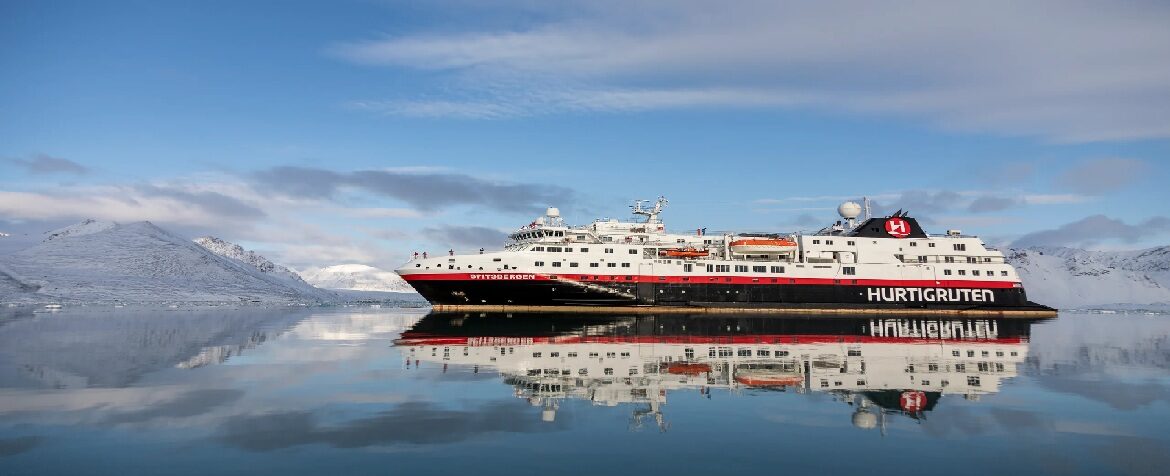
Some islands reward through sheer remoteness; Colonsay rewards through sheer density. Barely thirteen kilometres long, this Inner Hebridean island packs in a bay ranked among the most beautiful in Scotland, gardens attached to a grand house, a medieval priory reachable at low tide, and a community of little more than a hundred islanders, proud of their school, their festivals, and their quiet self-reliance. Small ships anchor off Scalasaig, the island's only village, where tenders land near the ferry pier.

Scalasaig fits into a tiny space: the old ferry waiting room, now a gallery and visitor centre, the general store, a microbrewery, a publishing house doubling as a bookshop devoted to the Hebrides, the Georgian parish church, and the island hotel, whose bar serves as the town square. Visitors get a feel here for a community cultivating its self-reliance with a mix of humour and sheer determination.

Kiloran Bay, the Golden Bay

To the northwest, a sweep of golden sand opens between two headlands: Kiloran Bay, regularly listed among the finest beaches in the country, any shoreline included. Long Atlantic swells roll ashore here, cattle sometimes graze right up to the dunes, and the view stretches toward the mountains of Jura. The walk from Scalasaig takes a good hour by road, unless you rent a bike or catch an excursion shuttle; the view, whatever the weather, justifies every step.

The Gardens of Colonsay House

At the centre of the island, the 18th-century home of the lairds of Colonsay is surrounded by wooded gardens famed for their rhododendrons and for plant species brought from the far side of the world, which the Gulf Stream lets thrive at this improbable latitude. The walled gardens and adjoining café open to the public on certain days of the week in season; the forest paths, meanwhile, invite a fragrant stroll beneath the canopy at any time. Nearby, the grassy airstrip sits alongside the most relaxed golf course imaginable, kept trim as much by sheep as by golfers. The contrast between this lush greenery and the bare moorland all around sums up the constant surprise this place has to offer.

Oronsay and Its Priory, at the Mercy of the Tides

The great outing for walkers depends on the moon. At low tide, a strip of sand uncovers the crossing to neighbouring Oronsay; the walk across, shoes in hand, leads to the ruins of a 14th-century priory founded in the tradition of St. Columba. Carved crosses and grave slabs engraved with warriors and galleys bear witness to the skill of Hebridean stonemasons. The round trip takes several hours and calls for a careful check of tide times: the sea closes the passage without negotiation. Shore excursions generally arrange this outing when the schedule allows.

Island Beer and the Day's Bread

Back in Scalasaig, the local microbrewery offers its ales at several spots on the island, and the community bakery has built a reputation that reaches well beyond the island's shores. The shelves of the general store tell, in their own way, the story of the logistics behind a community that depends on the ferry for almost everything. Settling in at the hotel over a plate of seafood, listening to the day's news pass from table to table, rounds off the stop in true island fashion: unpretentious, but substantial.

As the tender heads back to the ship, Colonsay shrinks into a line of hills turning gold in the evening light. You leave with one clear realization: small islands can keep big promises. And already, the urge to check a map of the Hebrides to spot the next one.

Frequently Asked Questions

Small ships anchor off Scalasaig, the island's only village, and tenders come alongside near the ferry pier. The village is tiny and everything is walkable from the moment you step ashore.
The old ferry waiting room turned gallery and visitor centre, the general store, a microbrewery, a publishing house with a bookshop devoted to the Hebrides, the Georgian parish church and the island hotel, whose bar serves as the village square.
Three options, depending on taste and tide: the walk to Kiloran Bay, the gardens of Colonsay House, or the walk across to Oronsay if the tide allows. The island is only thirteen kilometres long, but everything is earned on foot or by bicycle.
A sweep of golden sand between two headlands in the northwest of the island, regularly named among the finest beaches in the country. Atlantic swell rolls in long lines, cattle sometimes graze right up to the dunes, and the view runs across to the mountains of Jura.
A good hour on foot by road, unless you hire a bicycle or take an excursion shuttle. It is the longest trip of the call: build the return leg into your timings before setting off.
The wooded gardens of the eighteenth-century home of the lairds of Colonsay, in the middle of the island, known for rhododendrons and species from the antipodes that the Gulf Stream allows to flourish at this improbable latitude. The walled gardens and adjoining café open on certain days in season; the woodland walks are always accessible.
Yes, but only at low tide: a sand bar then uncovers the crossing, walked barefoot with shoes in hand. The medieval priory on Oronsay is the reward. Check the tide tables carefully — the water comes back quickly and makes no exceptions.
Yes, for families who walk. Kiloran Bay is a magnificent beach for running, and the crossing to Oronsay feels like an adventure. There is no public transport and no organised programme: you plan it yourself.
Barely more than a hundred, proud of their school, their festivals and their quiet self-reliance. You meet this community at the shop, the microbrewery or the hotel bar, and they carry their independence with a mix of humour and stubbornness.
Pounds sterling and English. The best window runs May to September, when the gardens are in flower and the days long. Carry cash: services are few and coverage patchy. Tendering ashore depends on sea conditions.