Galle Sri Lanka
Sri Lanka
35
Cruises availables
At departure or passage at this port
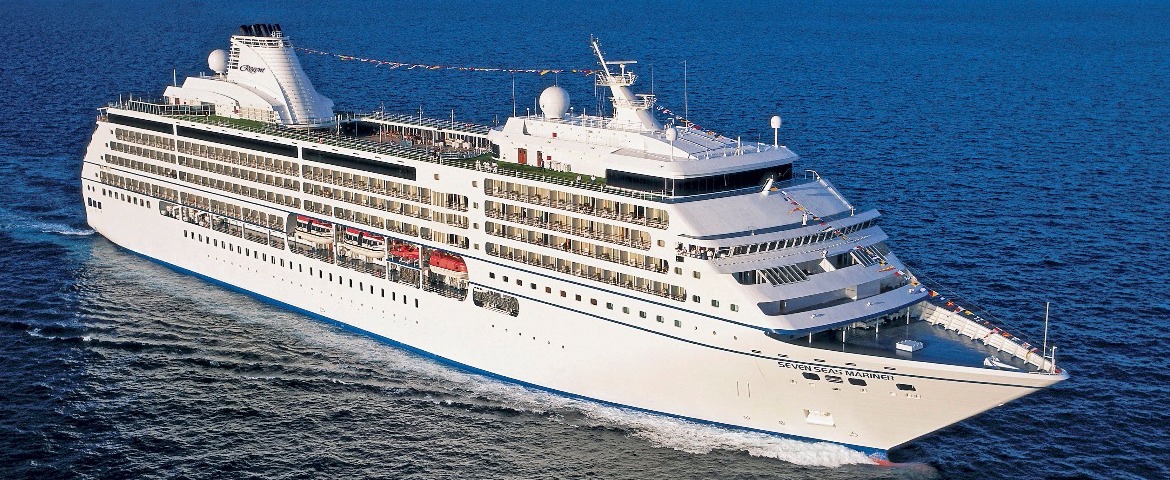
Oceania Cruises (19 Cruises)
Oceania Aurelia
5 Cruises
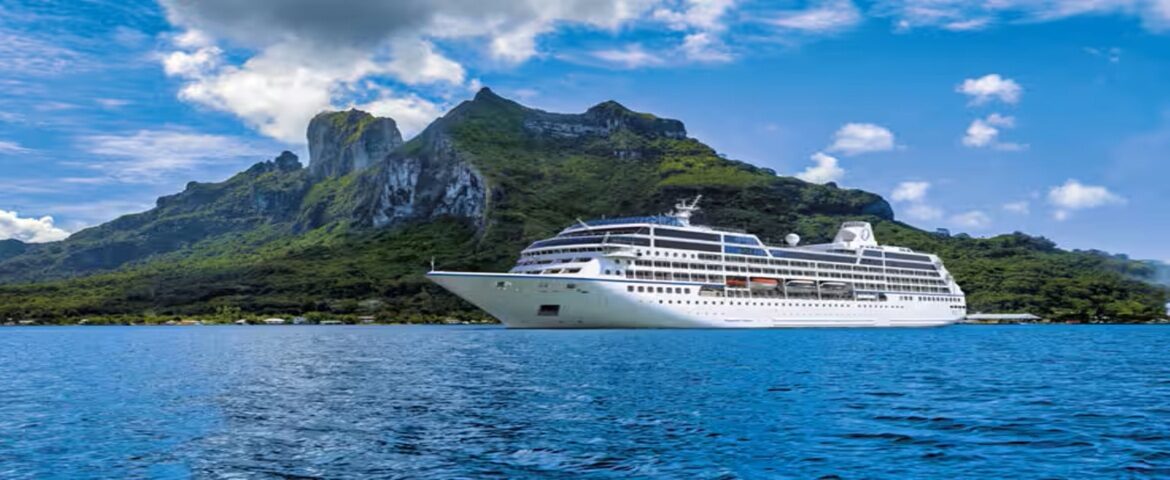

Oceania Nautica
5 Cruises
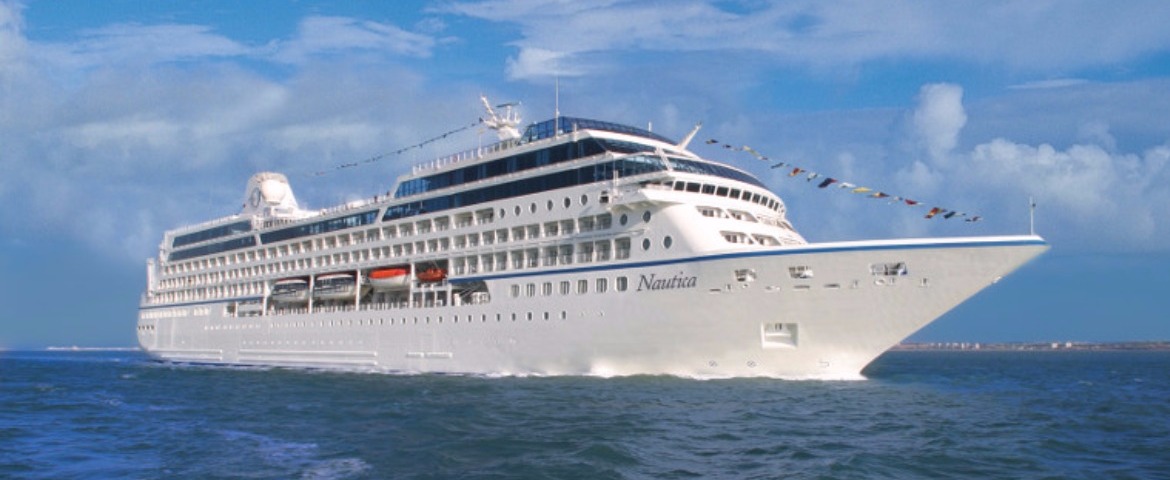
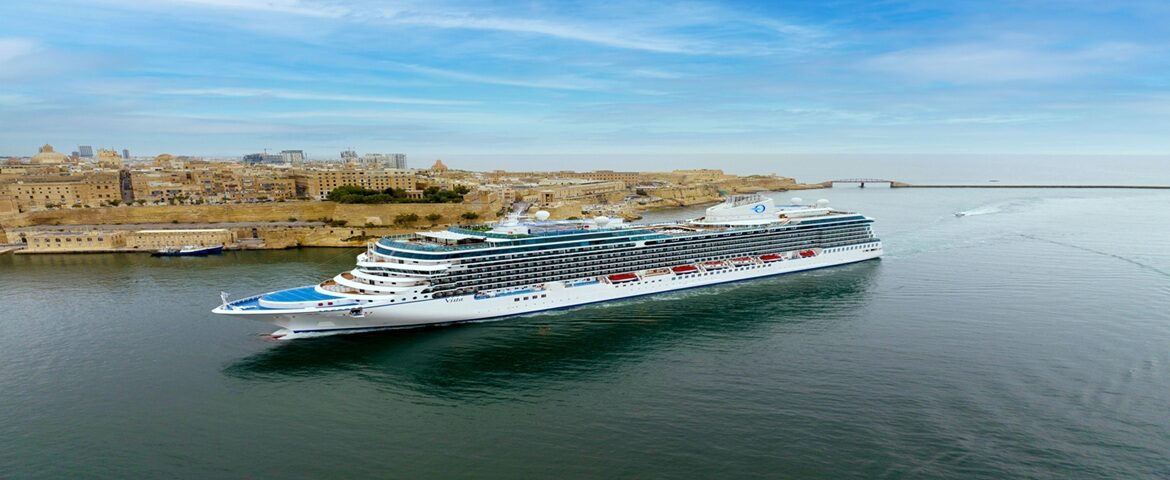
Oceania Vista
9 Cruises
| 6 January | 244 days | One-way from Miami to New York |
450-628-6241
Call us
|
| 6 January | 180 days | One-way from Miami to Southampton |
450-628-6241
Call us
|
| 26 February | 130 days | One-way from Sydney to Southampton |
450-628-6241
Call us
|
| 26 February | 129 days | One-way from Sydney to Southampton |
450-628-6241
Call us
|
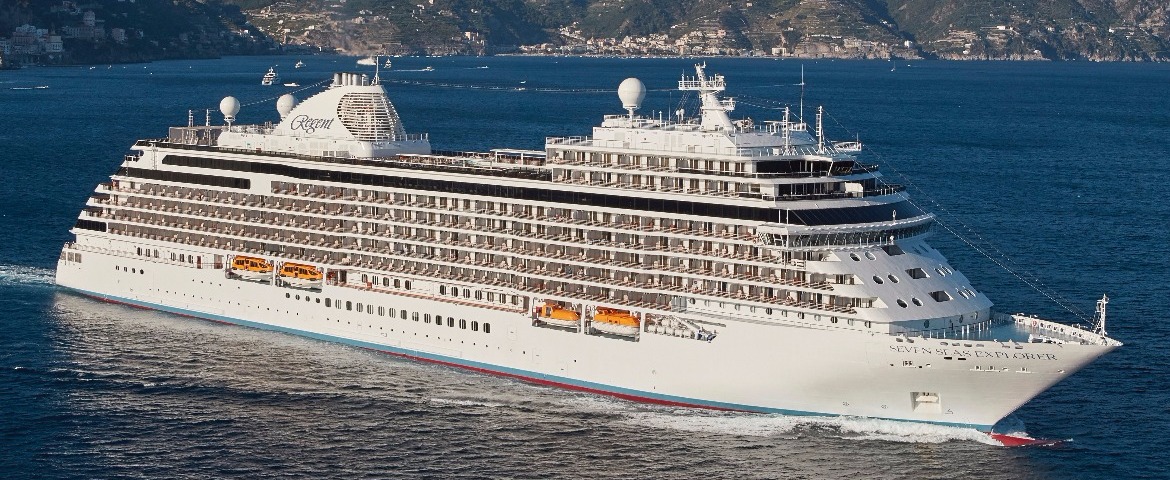

Scenic Cruises (10 Cruises)
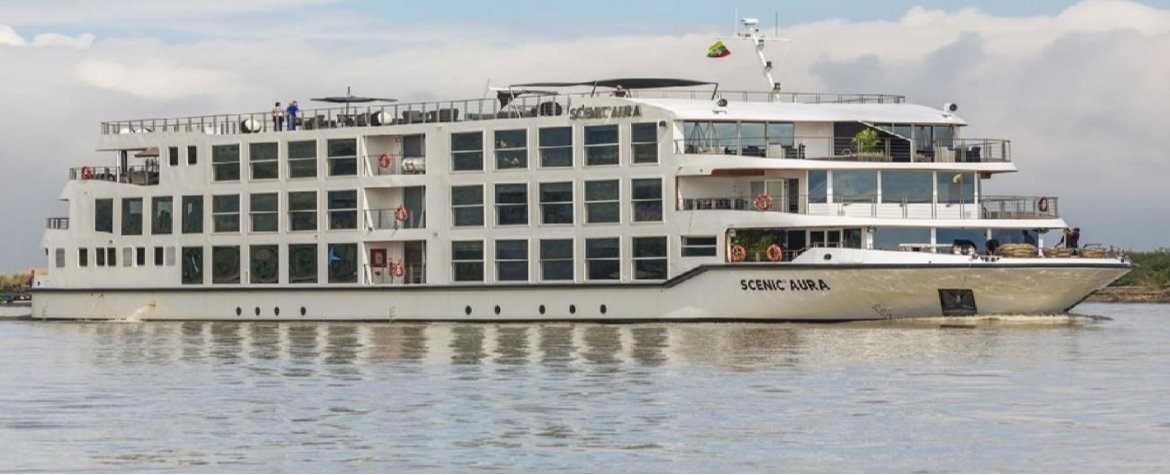
Scenic Aura
10 Cruises


Port of Galle | Cruise Port Guide
Frequently Asked Questions
By tender: ships anchor in the bay and the crossing takes only a few minutes. Rare luck — the landing sits practically at the foot of the fortifications. Past the small port's checks, you go through the massive gates and change century in three steps.
A walled town on a peninsula of the southwest coast, inscribed on the UNESCO World Heritage list. The Portuguese fortified it in the sixteenth century; the Dutch East India Company, masters here from 1640, gave it its present face, before the British added their layer in the nineteenth.
Yes, largely. During the 2004 tsunami the Dutch ramparts substantially shielded the old town, while the modern city all around took the full force of the disaster.
The rampart circuit, about three kilometres of bastions facing the Indian Ocean, then the lanes of the walled town. A full walk around the walls takes a good hour at a strolling pace, and many give the whole day to the fort. They are not wrong.
Red-tiled roofs, the white lighthouse of 1939 beside an immaculate mosque, and the cricket ground where international matches are played — surely one of the best-sited stadiums anywhere. At the Flag Rock bastion, local divers take on the ocean to the cheers of onlookers.
A grid of Dutch lanes you can walk without a map. The 1755 Reformed church stands on a floor entirely paved with gravestones; the old Company hospital, a long arcade facing the sea, now holds cafés and shops; the veranda houses of Pedlar and Leyn Baan streets house jewellers, lacemakers and spice merchants.
The jewellers here carry on the island's great tradition of precious stones, sapphires above all. Custom says you compare, you discuss and you rush nothing. If you know nothing about stones, take your time or abstain: this is a purchase that wants preparation.
What the regulars do: a ginger lemonade or a highland tea in the shade of a veranda, a roti or a fish curry in an inner courtyard, then set off again when your body agrees, choosing the shaded pavements. Afternoons often bring a brief, theatrical downpour; that is what the arcades are for.
Unawatuna beach a few kilometres away, a boat trip on the lagoons among monitor lizards and kingfishers, or the coast road to Koggala and its stilt fishermen. Be aware that the latter are now photographed more than they fish: better to know that before reaching for camera and wallet.
Late afternoon. The wall changes colour, kites rise above the esplanade and families settle on the bastions to watch the ocean. It is the hour when Galle looks most like itself.


