Isle of Pines | Cruise Port Guide

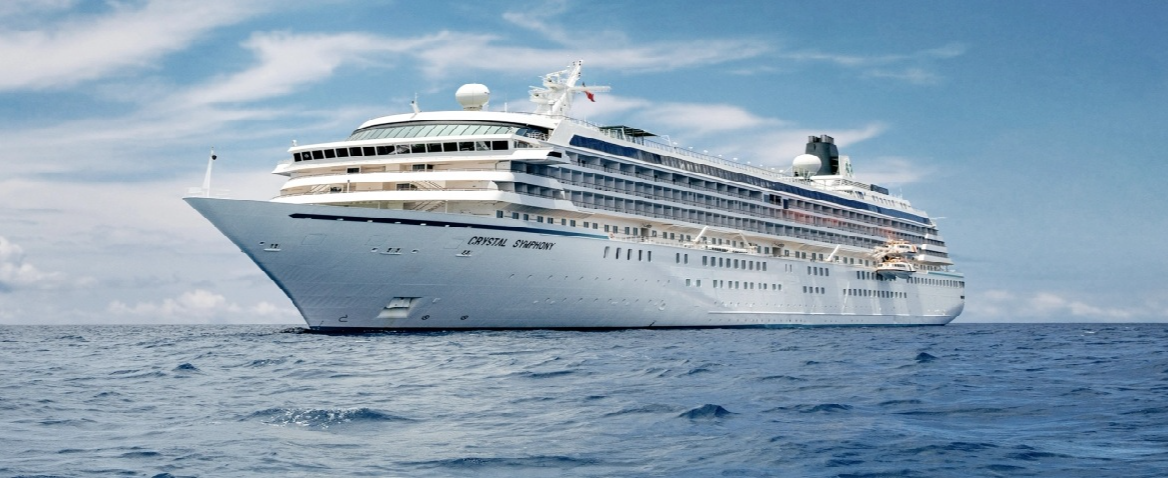
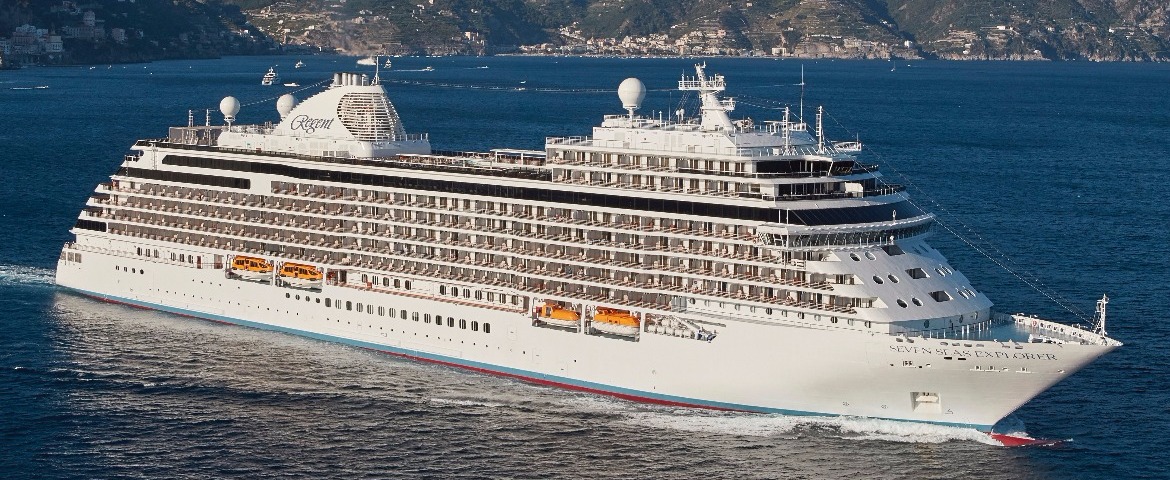
Long before the tenders are called, it's the columnar pines that signal land: hundreds of dark, slender trunks standing above the lagoon like masts. James Cook noticed them in 1774 and named the place without ever landing. Ships still anchor offshore today — the barrier reef rules out any docking — and it's by tender that passengers reach Kuto Bay, on the southwest side of this island its Kanak inhabitants call Kunié.

The Shore of First Steps

The tender drops passengers a few metres from a crescent of white sand about a kilometre and a half long. The water here is calm, shallow, and clear enough to surprise even Pacific regulars. A café serves refreshments near the landing, and a craft market offers pareos, woven hats, and local sandalwood oils. The shade of the pines lines the upper shore for anyone escaping the sun, and many cruise passengers set their towel down here and don't move for the rest of the day — no one holds it against them.

Kanumera and Its Sacred Rock

A three-minute walk is all it takes to go from Kuto to Kanumera, the neighbouring cove. A rock covered in vegetation juts out into the turquoise water; it is sacred to the Kunié people, and visitors are asked not to climb it. The coral beds surrounding it rank among the best snorkelling sites reachable without an excursion: a mask and snorkel are enough to spot butterflyfish, damselfish, and blue-lipped giant clams.

The Memory of the Penal Colony

About twenty minutes' walk inland, the forest is slowly reclaiming the ruins of a nineteenth-century penitentiary. France deported, among others, convicts from the Paris Commune here starting in 1872. Stone walls eaten away by roots, cells open to the sky, and a little further on, the deportees' cemetery lines up its white crosses beneath the trees. The contrast with the carefree beaches rarely leaves visitors unmoved.

Vao, the Life of the Village

Taxis wait near the landing to reach Vao in about ten minutes. Kunié's main village is built around Notre-Dame-de-l'Assomption church, a legacy of nineteenth-century missions; from the nearby hill, the view stretches over Saint-Joseph Bay, where the outrigger canoes that local families still use rest at anchor. This is where you take the pulse of daily life: fruit stalls, exchanged greetings, children leaving school. Traditional outrigger canoe outings are also run on Upi Bay, its waters dotted with coral outcrops.

Oro's Natural Pool

Shore excursions offered on board often head to Oro, on the opposite side of the island from Kuto. After a roughly twenty-minute trail through tall forest, a clear pool held in by coral comes into view, fed by the tide. Fish move through it as though in an aquarium; water shoes and your own snorkelling gear are recommended. Spots fill up fast, so it's best to book as soon as you board.

Quick Reference for the Stop

LocationAccess from the landing
Kuto BeachA few minutes' walk
Kanumera Cove3 min walk
Penal colony ruins and cemetery20 min walk
Vao Village10 min by taxi
Oro Natural PoolOrganized excursion, then a short walk through the forest

As the tender pulls away from the landing at day's end, the pines go back to standing watch, motionless above the lagoon. Kunié has no famous monument and no museum: it offers a condensed version of the Pacific — sand, coral, forest, and memory — and that's exactly why so many passengers rank it among their favourite stops, long after the suitcases have been put away.

Frequently Asked Questions

No. The barrier reef makes docking impossible: ships anchor offshore and passengers reach Kuto Bay by tender. In rough seas the call can be cancelled — the standing risk of any tender port.
At the Kuto Bay jetty, metres from a crescent of white sand about a kilometre and a half long. A cafe and a craft market sit beside the landing.
Plenty of passengers put a towel down at Kuto and never move again, and no one blames them. Otherwise: three minutes' walk to Kanumera Bay for snorkelling, twenty minutes to the penal colony ruins, or a taxi to Vao village.
Yes. The coral around the Kanumera rock is among the best snorkelling reachable straight from the beach: mask and snorkel are enough to see butterflyfish, damselfish and blue-lipped giant clams.
No. The rock is sacred to the Kunié people and visitors are expressly asked not to climb it. Swim around it instead — which is the better view anyway.
The remains of a nineteenth-century prison where France deported, among others, prisoners of the Paris Commune from 1872. About twenty minutes' walk inland: stone walls eaten by roots, cells open to the sky, and beyond them the deportees' cemetery.
Through a ship excursion, on the far side of the island from Kuto, followed by a twenty-minute forest trail. Bring water shoes and your own snorkelling gear. Spaces go quickly — book at embarkation.
The Pacific franc, and French — New Caledonia is a French territory. Bring small bills in cash: card terminals are scarce on the island.
Taxis wait near the landing and reach it in about ten minutes. Kunié's main village is built around the church of Notre-Dame-de-l'Assomption; from the nearby hill you look out over Saint-Joseph Bay and its outrigger canoes.
No, and it is better to know that going in: Kunié has no famous monument and no museum. What it offers is the Pacific distilled — sand, coral, forest and memory — and that is exactly why so many passengers rank it among their favourite calls.