Kampen Netherlands Overijssel
9
Cruises availables
At departure or passage at this port
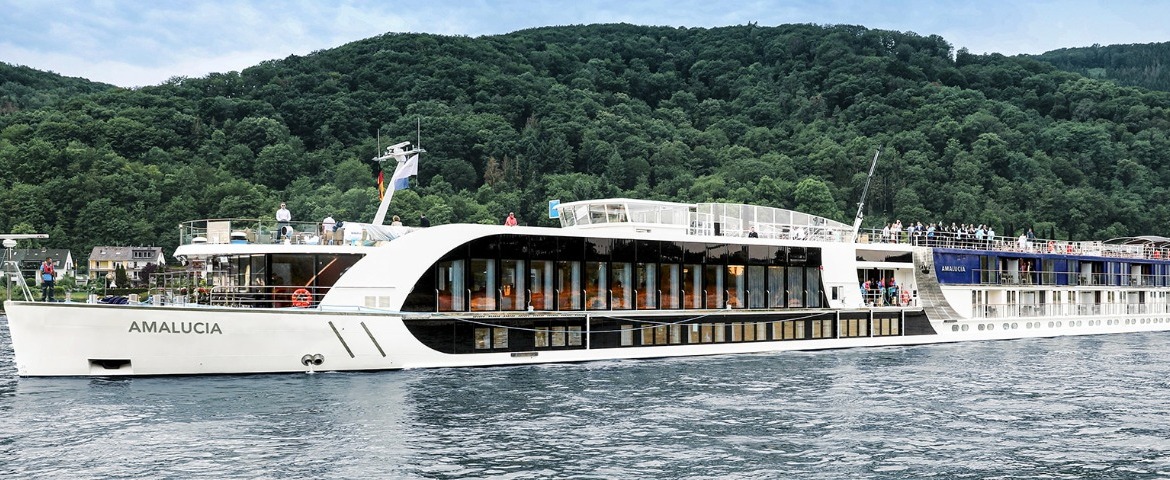

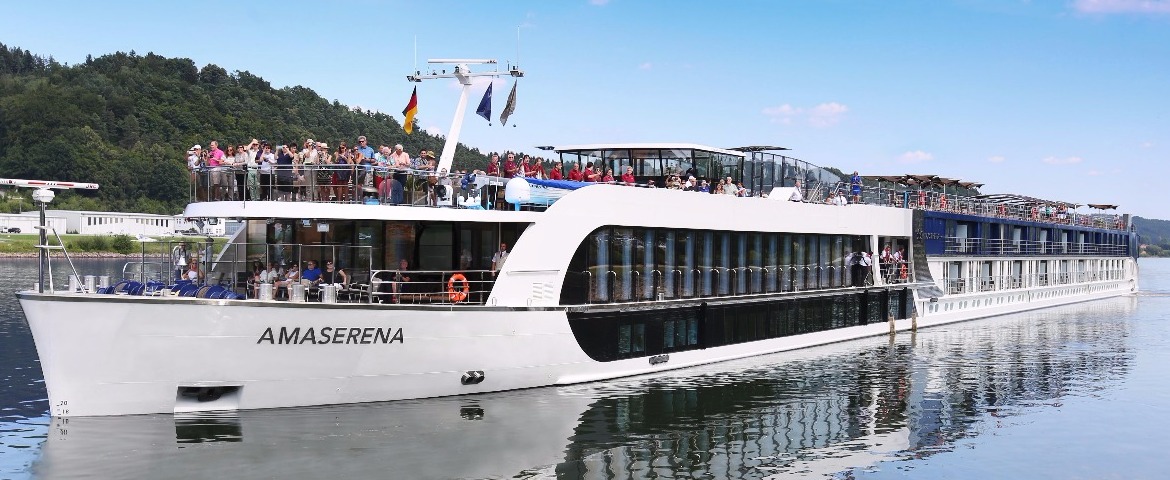
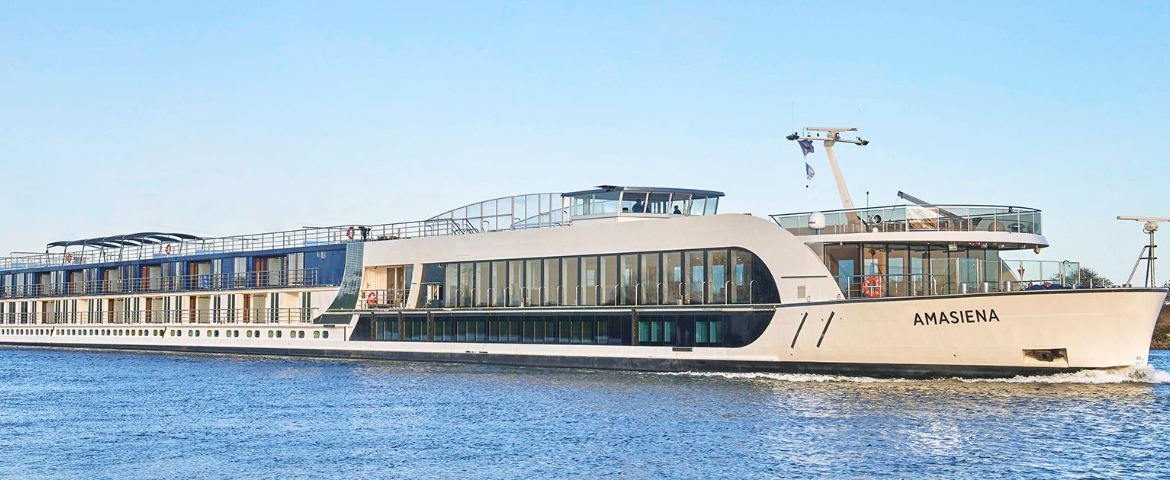
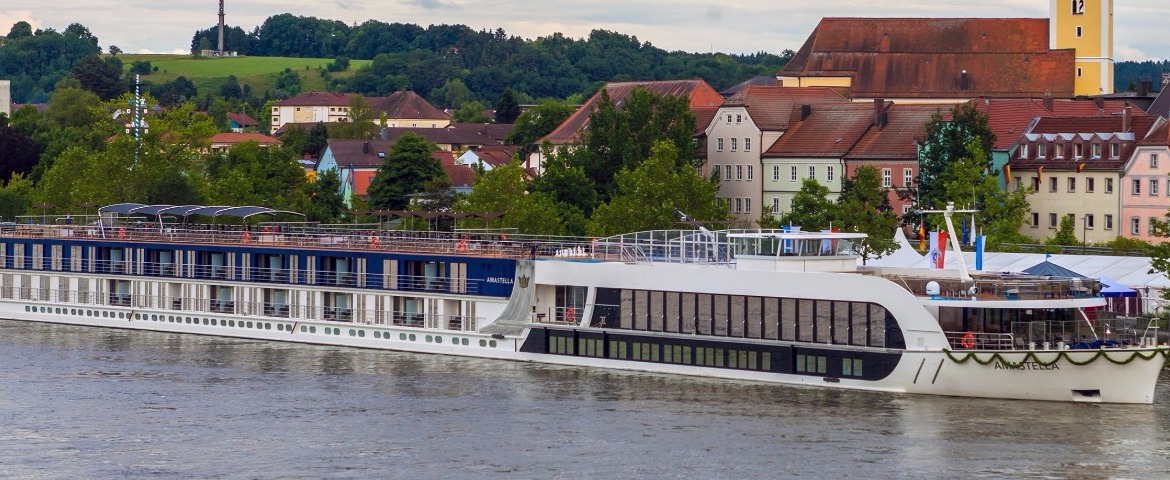

Port of Kampen, Netherlands | Cruise Port Guide
Frequently Asked Questions
Along the IJssel waterfront, a few steps from the first lanes. Passengers step ashore straight into an unbroken line of steeples, fortified gates and gabled façades mirrored in the current.
More than 500 listed monuments are concentrated here. In the fourteenth and fifteenth centuries Kampen's cogs sailed the Baltic and the North Sea laden with herring, cloth and timber; the town kept from that golden age a remarkably spared medieval centre.
Yes, three. The Koornmarktspoort stands at the water's edge, and two twin brick-and-turret gates guard the landward side. They are the remains of the walls that once enclosed this Hanseatic town.
A sailing replica of a Hanseatic cog, built in the 1990s from a fourteenth-century wreck found in the bed of the former Zuiderzee. Bulging hull, massive planking, a single mast. When she is alongside at the Koggewerf you can get very close.
This vast Gothic church dedicated to Saint Nicholas dominates the southern end of the centre with its slender tower. Its stone nave, among the most ambitious in the region, shows the means the town commanded at its height.
Yes, the municipal museum in the ornate former town hall. Models, paintings and objects tell the story of the Hanse, the floods, navigation and religious life in a river town.
No. The whole historic centre lies within a kilometre of the quay. The main shopping street, the Oudestraat, runs almost a kilometre along the river, dotted with brown cafés and independent shops.
From the opposite bank, across the IJssel bridge. The view of steeples lined along the current explains on its own why painters have always stopped here.
Half a day at a strolling pace, for the main monuments, the museum and the cog. The quays are pleasant to walk at any hour of the call, from first light to departure.
No, and that is part of its charm. The big flows do not pass this way yet: you get dense history at human scale, with no detours and no queues.


