Hellevoetsluis Netherlands South Holland

18 Cruises availables At departure or passage at this port

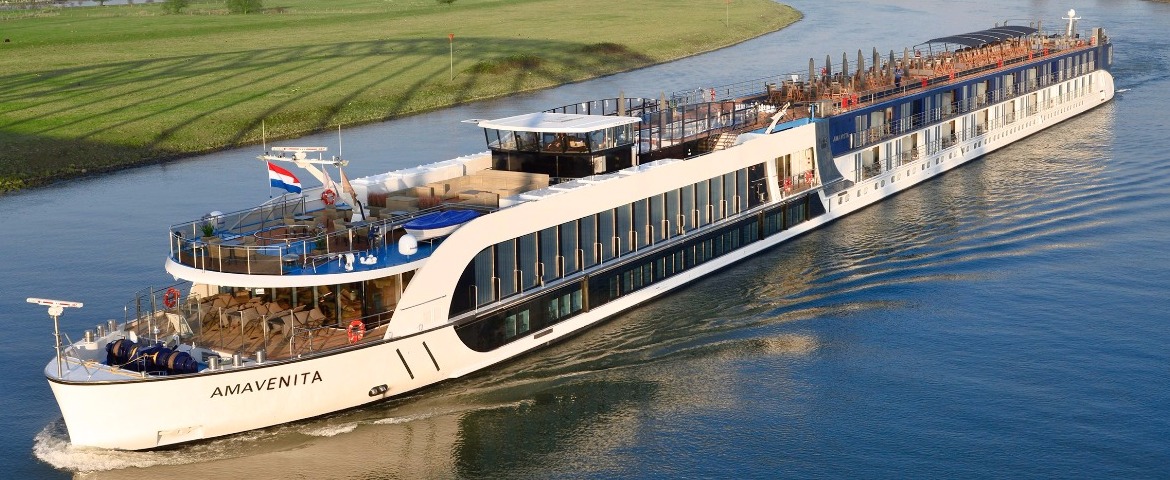
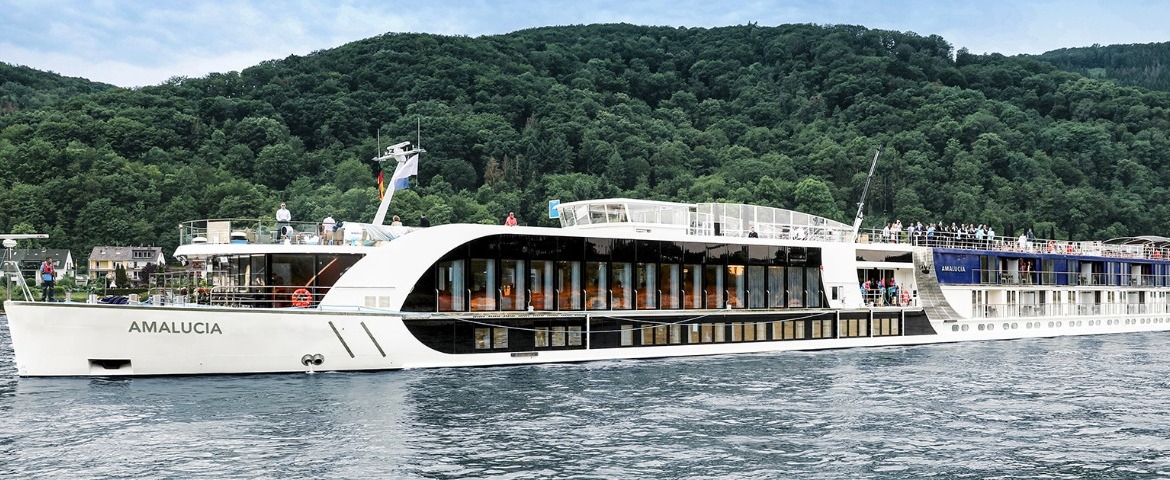
AmaWaterways (18 Cruises)
Port of Hellevoetsluis | Cruise Port Guide

Seen from above, Hellevoetsluis traces a star of bastions and moats set along the Haringvliet, right where the polder lands of Voorne-Putten meet the great waters of the delta. On the ground, that military geometry takes the form of grass-covered ramparts, an old basin filled with sailboats, and quiet streets that still carry a whiff of the naval arsenal. This small fortified town in southern South Holland was long the home port of the Dutch navy, and it still holds a striking concentration of maritime landmarks from that era.

A Fortress Facing the Sea

During the Eighty Years' War, the navy of the United Provinces made this sheltered anchorage its base of operations. Everything here was built for the fleet: an inner basin, shipyards, storehouses, barracks, all enclosed within a bastioned wall. It was from this very basin that William III of Orange set sail for England in 1688. River ships now dock just a few minutes' walk from these fortifications, and the whole site can be explored without any transport at all: a full walk around the ramparts takes about an hour at an easy pace, with constant views over rooftops, masts, and water.

The Jan Blanken Dry Dock

The stop's most unusual landmark lies tucked behind the inner harbour: a double dry dock, built between 1798 and 1822 under the direction of engineer Jan Blanken. An exceedingly rare survivor of its kind, it can be toured like an open-air museum. Visitors descend to the bottom of the pit, walk along the stone tiers where ships' hulls once rested, and examine the caisson-gate system that sealed the structure. Around it, a visitor centre and several historic vessels round out this exhibit devoted to the navy and coastal defence.

The Lighthouse, the Windmill, and the Buffel

Following the channel out toward open water leads to the white lighthouse built in 1822, one of the oldest still in operation in the Netherlands; its gallery offers a sweeping view over the fortress, the marinas, and the vast expanse of the Haringvliet. Inside the walls, the De Hoop grain mill has raised its sails above the fortifications for more than two centuries. Naval history enthusiasts can board the Buffel, an armoured ram ship launched in 1868, now converted into a floating museum. The National Firefighting Museum, also located within the walls, will appeal to families, a nod that will resonate with Quebecers familiar with historic fire halls.

Practical Notes

AttractionAccess from the Pier
Fortifications and rampartsImmediate, full walking tour in 1 hour
Jan Blanken Dry Dock5 to 10-minute walk
Lighthouse (1822)10-minute walk
Buffel museum shipIn the historic basin
De Hoop windmillAlong the bastion line

The Marina Atmosphere

Hellevoetsluis now lives to the rhythm of recreational boating: about 2,000 berths spread across five basins make it one of the country's major boating hubs. Waterside terraces look out over passing varnished hulls, and the old tar smell of the shipyards has given way to the scent of coffee. When the west wind picks up, hundreds of halyards clatter against the masts, giving the fortress a thoroughly maritime soundtrack. This blend of military discipline and harbourside ease gives the walk its character: every bastion hides a sailboat, every old artillery store a gallery or a workshop.

Heading back to the gangway, thoughts return to this star of stone and water that once protected an entire fleet. Other great naval powers have left behind more imposing monuments elsewhere; few have preserved a site so easy to read, where a glance is enough to understand how a nation of sailors once organized its defence. That clarity is what stays with you, long after leaving the Haringvliet.

Frequently Asked Questions

A few minutes' walk from the fortified enclosure, on the edge of the Haringvliet. Everything is then covered without transport: a full circuit of the ramparts takes about an hour at an easy pace.
It is a small star-shaped fortified town that was long the home port of the Dutch war fleet. Inner basin, yards, stores and barracks were all built for the navy, and the whole layout remains remarkably legible today.
The Jan Blanken double dry dock, built between 1798 and 1822 and a very rare survivor of its type. You go down into the pit, walk the stone steps where hulls once rested and examine the caisson gate that closed the works. It is an open-air museum.
Yes. The white lighthouse of 1822, one of the oldest still in service in the Netherlands, stands along the channel towards the open water; its gallery gives a full panorama over the fortress, the marinas and the vast Haringvliet.
An ironclad ram ship launched in 1868, now a floating museum. Naval history enthusiasts go aboard to walk the passageways and machinery of a nineteenth-century warship.
Yes — the national firefighting museum, inside the walls. The historic engines and old vehicles appeal to families, and the rampart walk is entirely safe.
Yes. It was from the inner basin at Hellevoetsluis that William III of Orange set sail for England in 1688. The sheltered anchorage was then the operational base of the Dutch Republic's navy.
Yes, the De Hoop grain mill, whose sails have turned above the enclosure for more than two centuries. It stands inside the walls, on the natural line of the rampart walk.
That of a major sailing centre. Around 2,000 berths spread over five basins, waterside terraces, and in a westerly wind hundreds of halyards slapping against masts. Military precision and harbour ease sit together comfortably.
Three to four hours covers the essentials: the ramparts in an hour, the dry dock, the lighthouse and one of the two museums. The town is small, and that is exactly what makes it readable.