Wesel Germany North Rhine-Westphalia
133
Cruises availables
At departure or passage at this port
Viking River Cruises (133 Cruises)
Viking Longships Kvasir
117 Cruises
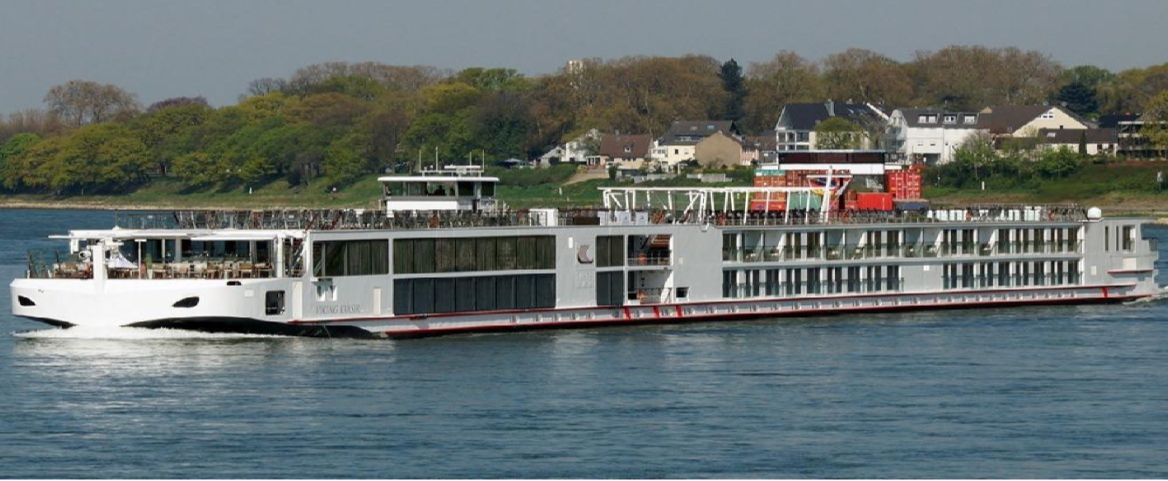

Viking Longships Magni
8 Cruises
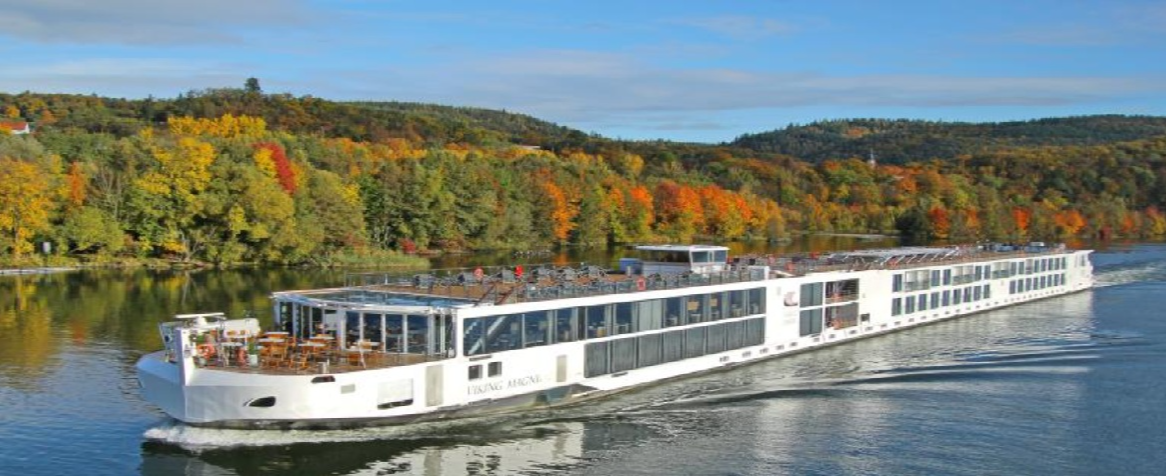
Viking Longships Mimir
8 Cruises
Wesel | Cruise Port Guide
Frequently Asked Questions
On the grassy bank, between floodplain meadows and a cable-stayed bridge, about a twenty-minute walk from the first shopping streets. Some lines offer a short shuttle for those who would rather not walk it.
That the town was flattened in February 1945: an estimated 97 per cent of the built fabric was gone within days. Wesel has reinvented itself since, mixing post-war architecture with patiently restored monuments. Anyone expecting an intact old town will be disappointed.
The vast gothic church that dominates the town, rebuilt stone by stone over decades. It impresses through the clarity of its volumes and the silence under its vaults; across the square, the façade of the former town hall, also resurrected, restores the square's pre-war face.
The citadel, a little to the south, spreading its brick bastions: one of the best preserved fortified complexes in the Rhineland, its buildings housing collections on local history. On the way back, the Berliner Tor recalls the town's past as a garrison.
Because the town cheerfully owns an old Rhenish riddle: shout to the walls asking the mayor's name, and the echo answers Esel, the donkey. You meet the animal around the squares, sometimes in bronze, sometimes brightly painted.
Peter Minuit, born here, negotiated the purchase of Manhattan island in 1626 for the Dutch West India Company. North American travellers often smile on learning it: the most famous property transaction in history has its roots in this quiet Rhineland town.
Follow the dike and watch the convoys pass, heading up to the Ruhr or down towards Rotterdam, loaded with containers, coal or grain. The Rhine runs wide and powerful here, held by dikes frequented by sheep and cyclists.
Yes, the floodplain meadows around the town shelter geese and waders, and the paths crossing them extend the walk. The renatured mouth of the Lippe is the best area for it.
The Niederrheinbrücke, a single-pylon cable-stayed bridge that spans the river in one white gesture. Its resolutely contemporary outline set against a landscape of pastures is the most striking image of the arrival.
Yes. In March 1945 these same banks were the setting for one of the great Allied crossings of the Rhine, a chapter the local museums recount with restraint. Currency: the euro, cards accepted in the centre.


