Monheim am Rhein Germany North Rhine-Westphalia
209
Cruises availables
At departure or passage at this port
AmaWaterways (209 Cruises)
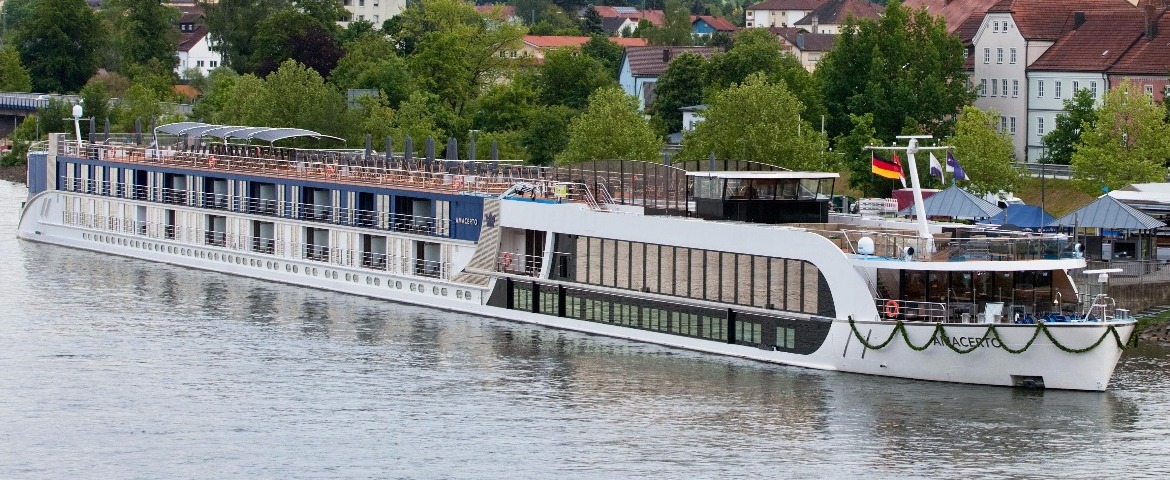

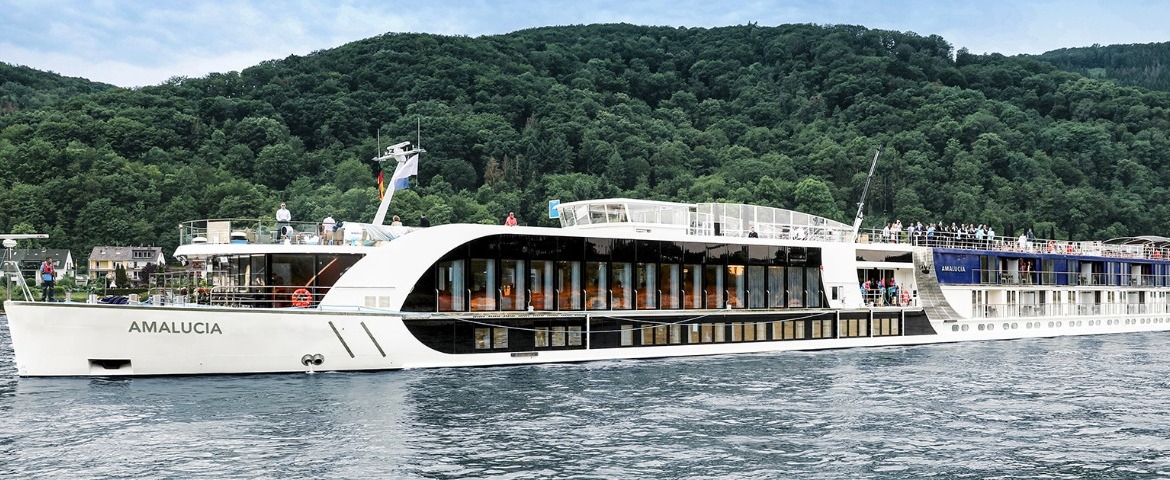
AmaLucia
49 Cruises
| 6 May | 8 days | One-way from Basel to Amsterdam |
450-628-6241
Call us
|
| 20 May | 8 days | One-way from Basel to Amsterdam |
450-628-6241
Call us
|
| 3 June | 8 days | One-way from Basel to Amsterdam |
450-628-6241
Call us
|
| 17 June | 8 days | One-way from Basel to Amsterdam |
450-628-6241
Call us
|
| 1 July | 8 days | One-way from Basel to Amsterdam |
450-628-6241
Call us
|
| 29 July | 8 days | One-way from Basel to Amsterdam |
450-628-6241
Call us
|
| 12 August | 8 days | One-way from Basel to Amsterdam |
450-628-6241
Call us
|
| 26 August | 8 days | One-way from Basel to Amsterdam |
450-628-6241
Call us
|
| 9 September | 8 days | One-way from Basel to Amsterdam |
450-628-6241
Call us
|
| 23 September | 8 days | One-way from Basel to Amsterdam |
450-628-6241
Call us
|
| 9 March | 7 days | One-way from Basel to Amsterdam |
450-628-6241
Call us
|
| 9 March | 8 days | One-way from Basel to Amsterdam |
450-628-6241
Call us
|
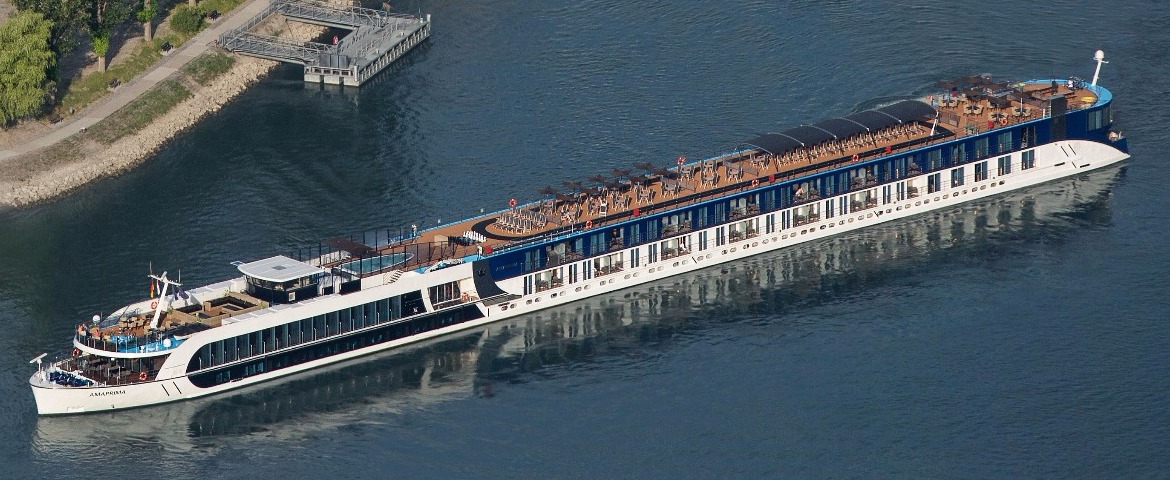
AmaPrima
8 Cruises
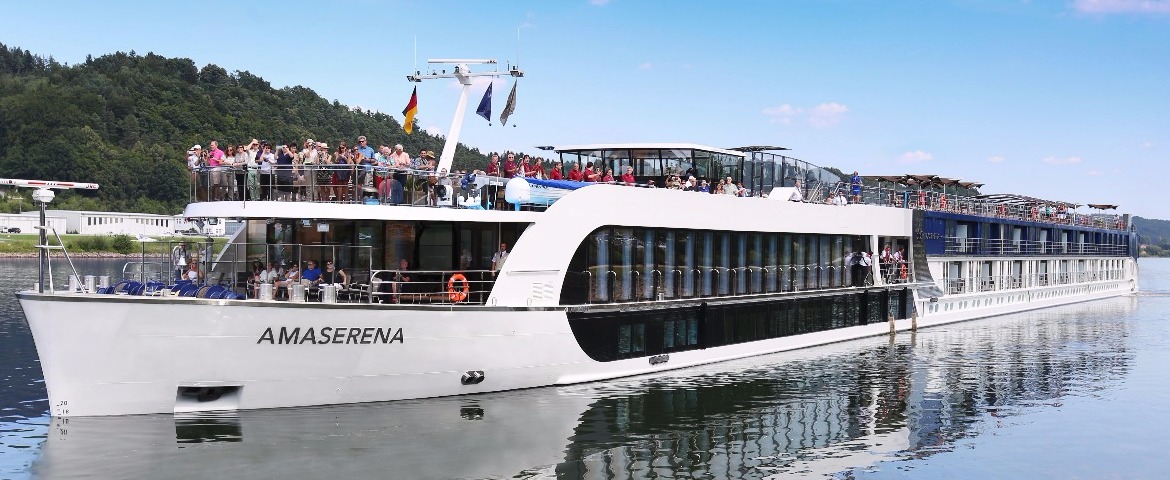
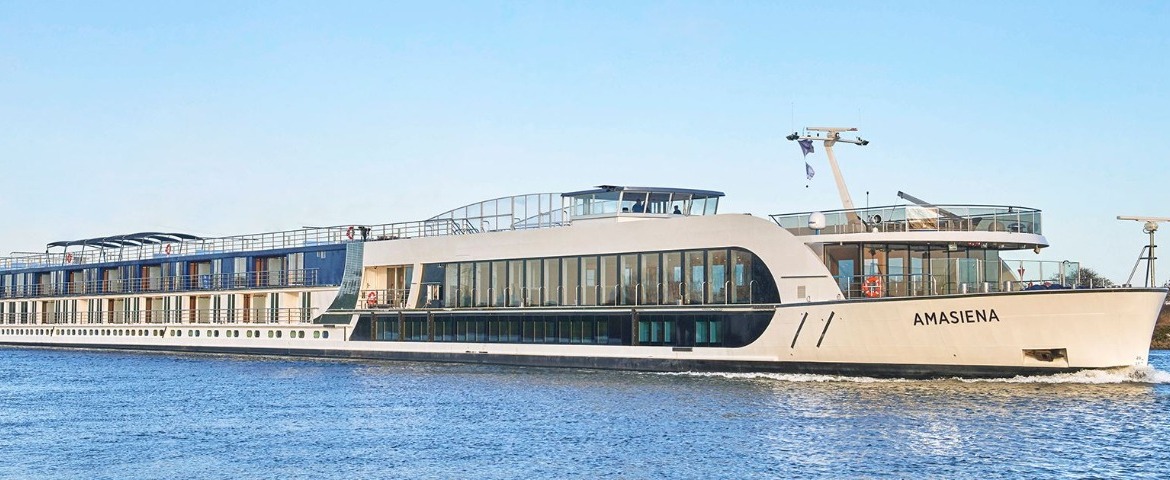
AmaSiena
41 Cruises
| 13 May | 8 days | One-way from Basel to Amsterdam |
450-628-6241
Call us
|
| 27 May | 8 days | One-way from Basel to Amsterdam |
450-628-6241
Call us
|
| 5 August | 8 days | One-way from Basel to Amsterdam |
450-628-6241
Call us
|
| 19 August | 8 days | One-way from Basel to Amsterdam |
450-628-6241
Call us
|
| 27 February | 8 days | One-way from Basel to Amsterdam |
450-628-6241
Call us
|
| 27 February | 7 days | One-way from Basel to Amsterdam |
450-628-6241
Call us
|
| 12 March | 8 days | One-way from Basel to Amsterdam |
450-628-6241
Call us
|
| 12 March | 7 days | One-way from Basel to Amsterdam |
450-628-6241
Call us
|
| 22 June | 8 days | One-way from Basel to Amsterdam |
450-628-6241
Call us
|
| 22 June | 7 days | One-way from Basel to Amsterdam |
450-628-6241
Call us
|
| 20 July | 8 days | One-way from Basel to Amsterdam |
450-628-6241
Call us
|
| 20 July | 7 days | One-way from Basel to Amsterdam |
450-628-6241
Call us
|
| 28 September | 8 days | One-way from Basel to Amsterdam |
450-628-6241
Call us
|
| 28 September | 7 days | One-way from Basel to Amsterdam |
450-628-6241
Call us
|
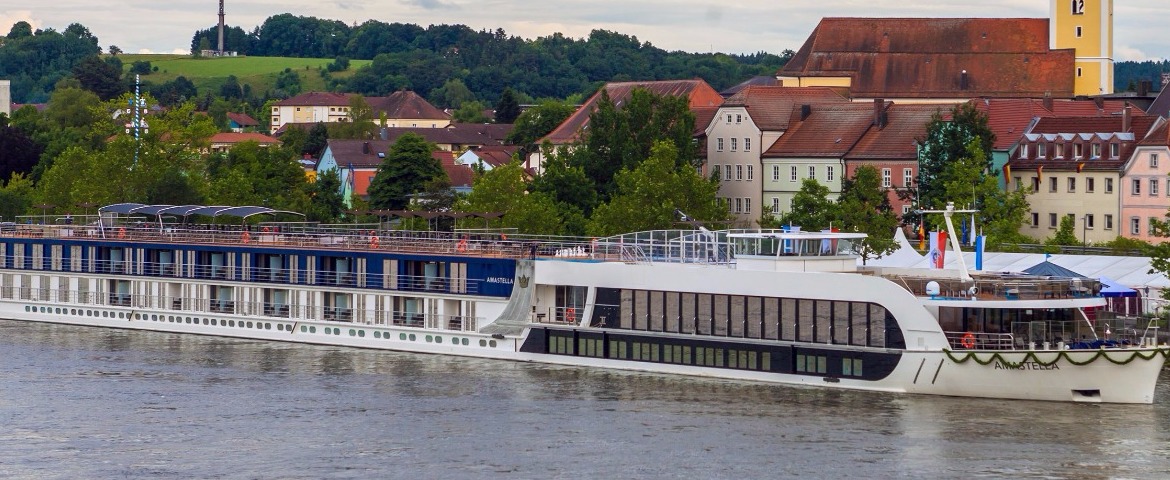
AmaStella
57 Cruises
| 14 March | 8 days | One-way from Basel to Amsterdam |
450-628-6241
Call us
|
| 28 March | 8 days | One-way from Basel to Amsterdam |
450-628-6241
Call us
|
| 11 April | 8 days | One-way from Basel to Amsterdam |
450-628-6241
Call us
|
| 25 April | 8 days | One-way from Basel to Amsterdam |
450-628-6241
Call us
|
| 9 May | 8 days | One-way from Basel to Amsterdam |
450-628-6241
Call us
|
| 23 May | 8 days | One-way from Basel to Amsterdam |
450-628-6241
Call us
|
| 6 June | 8 days | One-way from Basel to Amsterdam |
450-628-6241
Call us
|
| 20 June | 8 days | One-way from Basel to Amsterdam |
450-628-6241
Call us
|
| 12 September | 8 days | One-way from Basel to Amsterdam |
450-628-6241
Call us
|
| 26 September | 8 days | One-way from Basel to Amsterdam |
450-628-6241
Call us
|
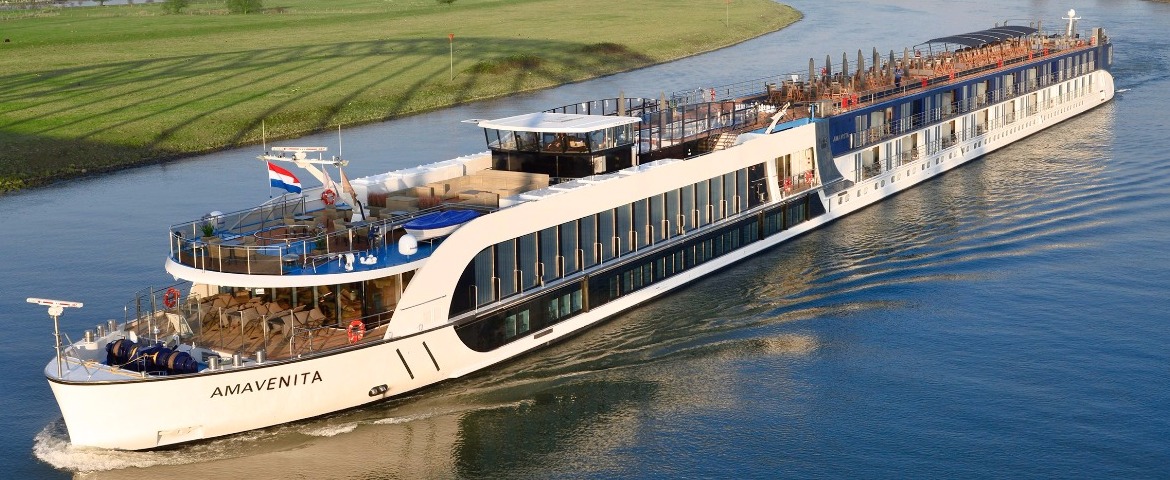
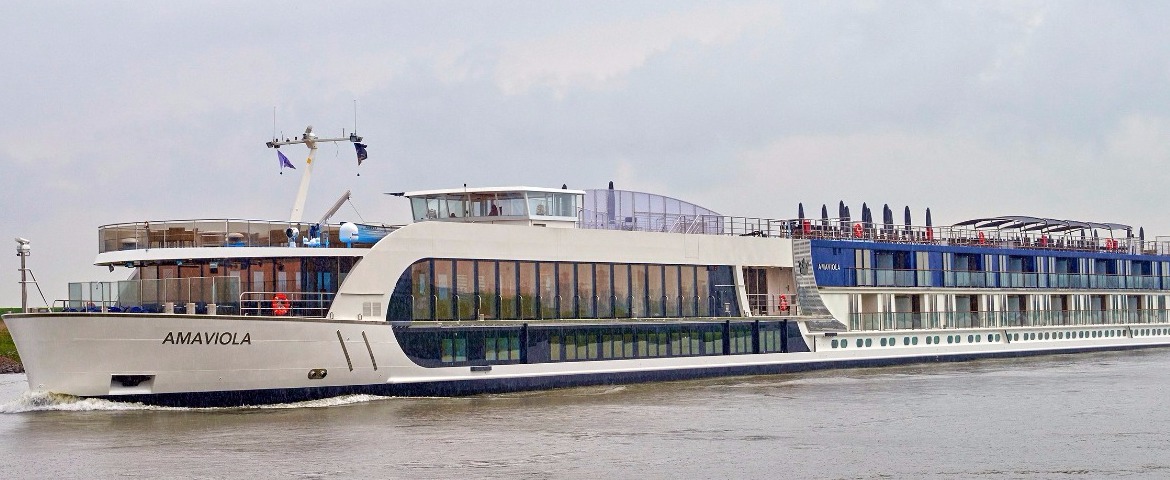
AmaViola
45 Cruises
| 16 May | 8 days | One-way from Basel to Amsterdam |
450-628-6241
Call us
|
| 30 May | 8 days | One-way from Basel to Amsterdam |
450-628-6241
Call us
|
| 13 June | 8 days | One-way from Basel to Amsterdam |
450-628-6241
Call us
|
| 27 June | 8 days | One-way from Basel to Amsterdam |
450-628-6241
Call us
|
| 11 July | 8 days | One-way from Basel to Amsterdam |
450-628-6241
Call us
|
| 25 July | 8 days | One-way from Basel to Amsterdam |
450-628-6241
Call us
|
| 8 August | 8 days | One-way from Basel to Amsterdam |
450-628-6241
Call us
|
| 22 August | 8 days | One-way from Basel to Amsterdam |
450-628-6241
Call us
|
| 5 September | 8 days | One-way from Basel to Amsterdam |
450-628-6241
Call us
|
| 19 September | 8 days | One-way from Basel to Amsterdam |
450-628-6241
Call us
|
| 14 May | 8 days | One-way from Basel to Amsterdam |
450-628-6241
Call us
|
| 28 May | 8 days | One-way from Basel to Amsterdam |
450-628-6241
Call us
|
| 6 August | 8 days | One-way from Basel to Amsterdam |
450-628-6241
Call us
|
| 20 August | 8 days | One-way from Basel to Amsterdam |
450-628-6241
Call us
|

Port of Monheim am Rhein | Cruise Port Guide
Frequently Asked Questions
At a modern pontoon on the Rhine promenade, about ten minutes walk from the old town. The landscaped bank begins as soon as you step off the gangway.
Between Cologne and Düsseldorf, in a wide bend of the Rhine on the right bank. It is a low-key stop on Rhine itineraries, often scheduled between two larger cities.
Walk the riverbank, reach the half-timbered old town and the Schelmenturm, hunt for the contemporary artworks scattered through the streets, then come back and sit facing the river. Two to three hours is enough.
A medieval watchtower that has become the town emblem, marking the entrance to the pedestrian quarter. Around it are restored half-timbered façades, flowered courtyards and wrought-iron signs.
Because the town has made it a deliberate policy: free buses, trials of autonomous shuttles and artworks, sometimes monumental, scattered through the streets. Turn a corner in an old lane and you meet a sculpture that makes you smile or argue.
A former fourth-century Roman fort, built on the left bank of the Rhine and left on the right bank after the river shifted its course. It houses a museum and a biological station, about 4 km from the pontoon by bike or taxi.
Yes, at weekends from April to October. A small ferry called the Piwipper Böötchen reaches the opposite bank towards Dormagen, continuing an old link. Outside those times the crossing is not guaranteed.
It is a modest stop, and it is better to know that. There is no cathedral and no major museum: a tower, some half-timbering, a pleasant riverbank and street art. Travellers who enjoy watching everyday small-town life will do well; monument-tickers will be disappointed.
Yes. The flat riverbank, the ice-cream shops mobbed at the first sunshine, families cycling on the dyke and the passing container barges make for a simple, relaxed day.
The euro. Cards work in the town-centre shops, but keep cash for ice-cream shops, the ferry and small counters.


