Meissen Germany Saxony

300 Cruises availables At departure or passage at this port

Viking River Cruises (300 Cruises)

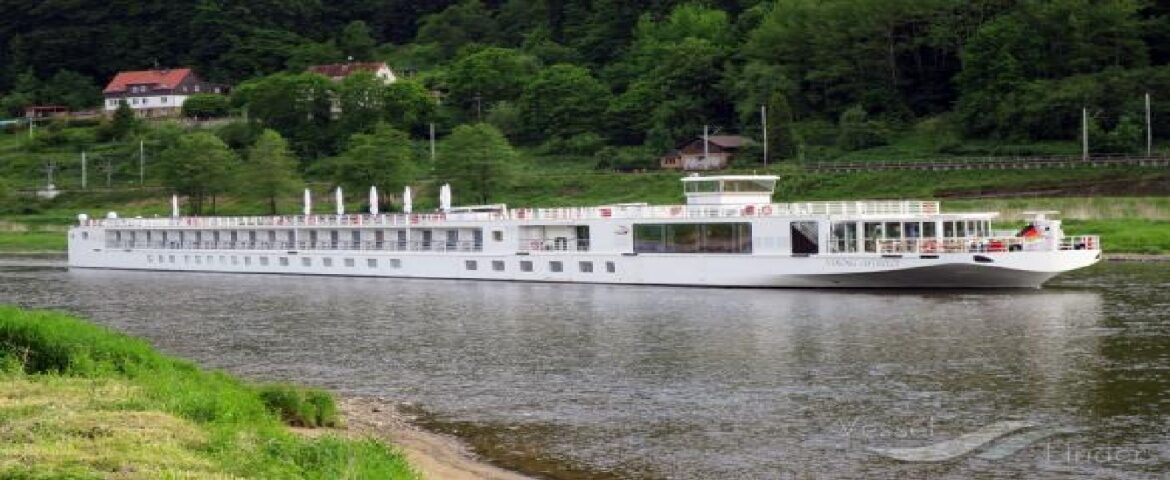
Viking Longships Astrid.

Viking Longships Astrid

126 Passengers
Visit the ship's page
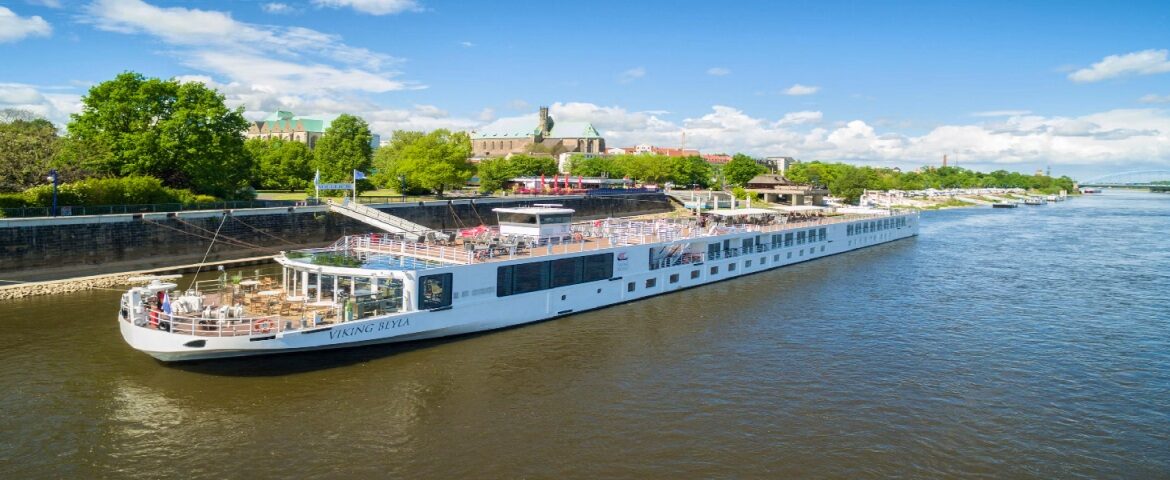
Viking Longships Beyla.

Viking Longships Beyla

131 Passengers
Visit the ship's page

Port of Meissen, Germany | Cruise Port Guide

The hill comes first: a promontory above the Elbe, crowned by a pale castle and the spires of a cathedral, with the old town nestled below. Meissen has presented itself this way for centuries to travellers sailing up the river, and boats moor right at the foot of this setting, a few minutes' walk from the first lanes. Meissen owes its worldwide fame to an alchemist's secret cracked in 1708: that of hard-paste porcelain, whose recipe all of Europe was seeking. The crossed blue swords, its trademark, rank among the oldest logos still in use.

The Manufactory of the Crossed Swords

Founded in 1710 in the wake of that breakthrough, the Meissen porcelain manufactory was the first on the continent. Its demonstration workshops show techniques that have not changed: throwing, moulding flowers petal by petal, painting with a fine brush under the eye of the master decorators. The adjoining museum displays three centuries of dinner services, figurines and monumental pieces commissioned by the courts of Europe. The site can be reached on foot from the centre in about ten minutes, and a bus links the main sites every half hour in the high season.

The Castle Where It All Began

The climb to the Albrechtsburg must be earned, by stairs or sloping lanes as you choose, with an elevator from the riverbank to spare your knees. Up top, the late-15th-century castle is considered the first princely residence in Germany designed as such; its twisted vaults, unusually daring for the time, housed the manufactory in its early days, when the recipe was guarded like a state secret. The halls tell this story; the windows frame the Elbe valley all the way to the vineyards.

The Cathedral and the Market Square

Right next door, the Gothic cathedral completes the hill's crown, a slender silhouette visible from all over the valley. Heading back down, the market square brings together a Renaissance town hall and burghers' houses with pastel façades. The Frauenkirche, which borders the square, hides a curiosity for the ears: a porcelain carillon, installed in 1929, whose crystalline bells mark the hours. The surrounding lanes invite detours, among antique shops, cake cafés and vaulted passages that open onto small squares.

A Taste of Saxony

Meissen lies at the heart of one of Germany's smallest wine regions, clinging to the slopes that follow the Elbe. The local whites, rare and mostly drunk on the spot, pair well with a break on a terrace; the region's cellars open their doors to the curious. Another specialty, the Meissner Fummel, is a puffed pastry of legendary fragility, created, it is said, to test the sobriety of royal messengers: bringing one back on board intact is a challenge in itself.

Port Essentials

  • Mooring at the foot of the old town; castle and cathedral a ten-minute climb away, elevator available.
  • Crossed Swords manufactory: demonstration workshops and museum, about a ten-minute walk from the centre.
  • Shuttle bus between the hill, the market and the workshops every half hour, from April to October.
  • Cobblestones and slopes: sturdy shoes recommended.
  • Dresden is about 25 km upstream; most itineraries devote a separate stop to it.

Before Heading Back on Board

In the evening, from the deck, the hill lights up and is reflected in the Elbe, fortress and spires merged in the same inverted image. You leave Meissen with a new idea of what a small town can hold: a jealously guarded industrial secret, experimental stone vaults, a carillon that rings in porcelain. Three centuries later, the crossed swords are still painted by hand, one blue stroke after another, and this quiet continuity is perhaps the most precious thing the stop has to offer.

Frequently Asked Questions

At the foot of the old town on the Elbe, a few minutes walk from the first lanes. The castle and cathedral are about ten minutes uphill, with a lift available from the riverbank.
For its porcelain. The secret of hard-paste porcelain was cracked here in 1708, and the manufactory founded in 1710 was the first on the continent. Its mark, two crossed blue swords, is among the oldest logos still in use.
Yes. The demonstration workshops show throwing, moulding flowers petal by petal and fine-brush painting, and the adjoining museum covers three centuries of pieces. Allow about ten minutes on foot from the centre.
The porcelain manufactory, the climb to the Albrechtsburg and cathedral, then the market square and its lanes. A bus links the main sites every half hour from April to October, which spares the legs.
The late fifteenth-century castle crowning the hill, regarded as the first German princely residence designed as such. Its twisted vaults housed the porcelain manufactory in its early days, when the recipe was guarded like a state secret.
It has to be earned: stairs or sloping lanes, about ten minutes. A lift from the riverbank spares the knees. Cobbles are uneven almost everywhere in the old town, so sturdy shoes are advised.
A carillon installed in 1929 at the Frauenkirche on the market square, whose porcelain bells mark the hours with a crystalline sound. It is a curiosity you will not hear anywhere else.
Yes. Meissen sits in one of Germany smallest wine regions, clinging to the slopes along the Elbe. The local whites are scarce and mostly drunk locally; regional cellars welcome the curious.
About 25 km downstream of it. Most itineraries give Dresden its own separate call, so you rarely have to sacrifice Meissen to see it.
The euro. Cards work at the manufactory, the castle and restaurants, but keep cash for the cake cafés and the small antique shops in the lanes.