Marktheidenfeld Germany Bavaria

144 Cruises availables At departure or passage at this port

Viking River Cruises (144 Cruises)

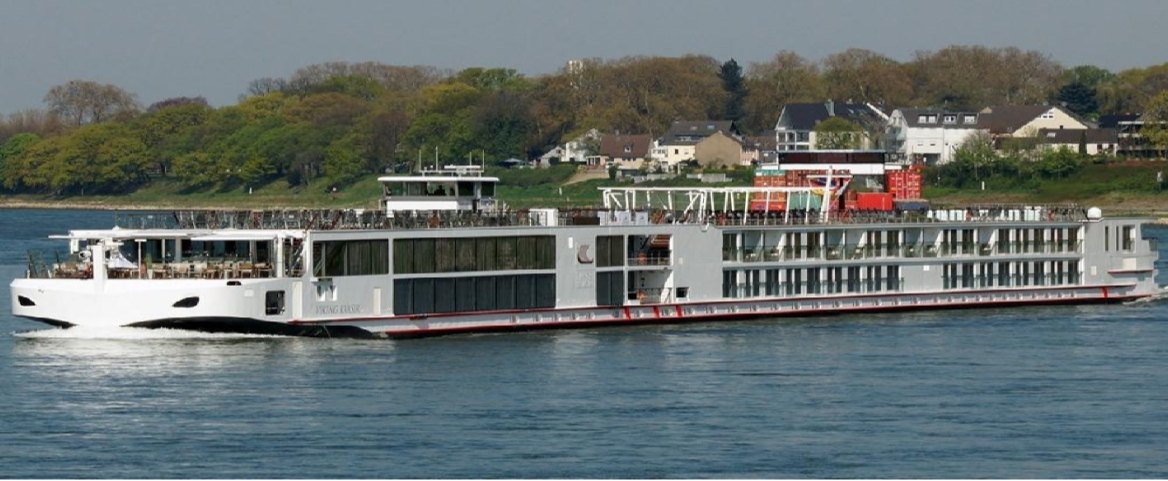
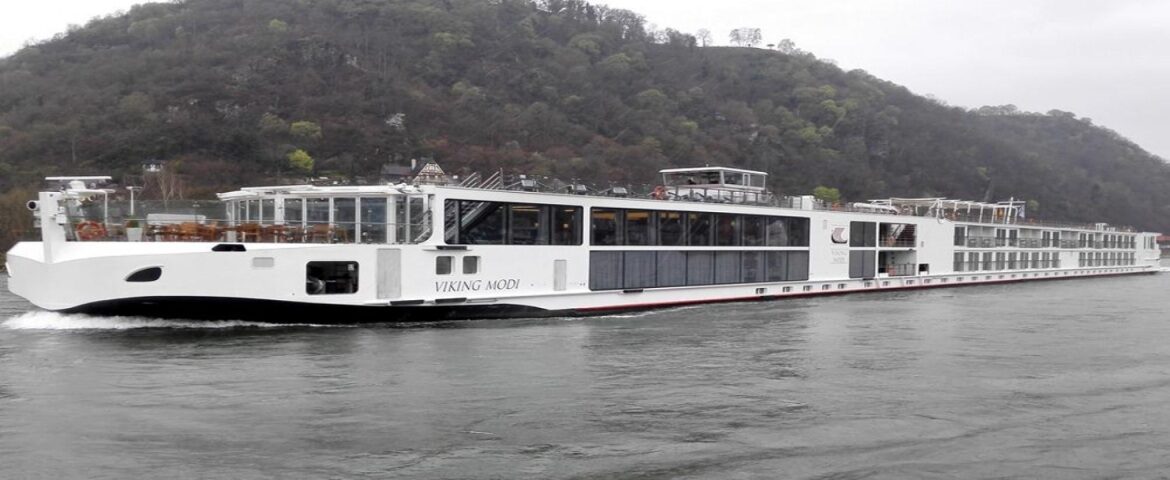
Viking Longships Modi.

Viking Longships Modi

Visit the ship's page
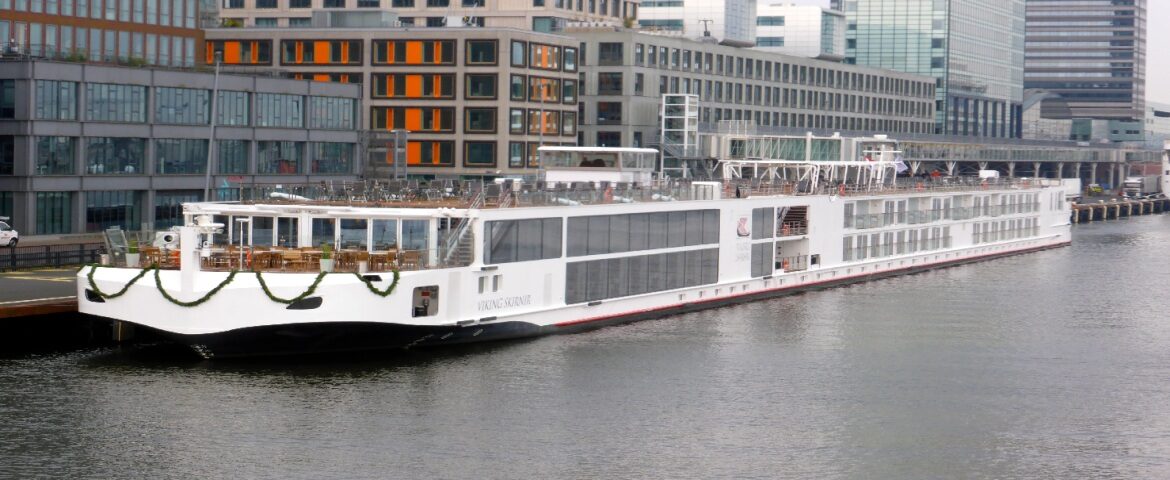
Viking Longships Skirnir.

Viking Longships Skirnir

Visit the ship's page

Port of Marktheidenfeld | Cruise Port Guide

The old bridge sets the tone even before docking. Its red sandstone arches, completed in 1845, span the Main in an even line, and river ships moor a few steps away, along a shaded promenade. Marktheidenfeld is a Lower Franconian stop of the kind Main River itineraries offer between Würzburg and Frankfurt: a small market town born of the timber trade and river shipping, now surrounded by vine-covered slopes. Nothing is rushed here, and that is precisely the appeal of the stop.

From the Riverbank to the Heart of Town

From the bridge deck, the view stretches on one side toward the town's tightly packed rooftops, on the other toward the wooded hills of the Spessart. Reaching the bank, the lanes converge on the market square, lined with carefully maintained half-timbered houses. Shops occupy the ground floors as they have for generations: bakeries with windows full of pretzels, butcher shops, cafés where regulars read the newspaper. On market days, regional producers set up their stalls, and the square returns to its original purpose.

The Blue House of Merchant Franck

A few streets away stands the Franck-Haus, built in 1745 by a prosperous wine merchant. Its Baroque façade, a deep blue enhanced with pale stucco, contrasts with the neighbouring half-timbering and bears witness to the fortune river trade could build. The house has belonged to the town since the 1990s; its rooms host temporary exhibitions and cultural events, and the doorway alone is worth the detour for architecture lovers. Admission is free during exhibitions.

Franconian Vines and Bocksbeutel Bottles

Marktheidenfeld belongs to the Franconian wine region, recognizable by its round, flat bottles called bocksbeutel. The slopes overlooking the riverbank produce dry whites, led by Silvaner, which family estates serve in their cellars; some, like the Deppisch estate near the river, welcome travellers for tastings. A glass enjoyed on a terrace facing the Main, with a piece of regional cheese, sums up the local art of living rather well. The excursions offered at this stop often combine a walk through town with a visit to a winemaker.

The Main Promenade

The rest of the time is happily spent by the water. The landscaped promenade follows the bank for several hundred metres, punctuated by benches and lawns where families settle in on fine days. Cyclists on the Main Cycle Path, which links the vineyards of Franconia over hundreds of kilometres, stop here; herons fish beneath the arches. In summer, festivals in the old centre bring the lanes to life, with tables set outside and bands included.

Port Essentials

  • Mooring at the foot of the old town; central square less than ten minutes away on foot, on flat ground.
  • Old Main Bridge: completed in 1845, the best viewpoint over the rooftops and hills.
  • Franck-Haus: Baroque façade from 1745, temporary exhibitions.
  • Franconian wine tastings at local estates, on foot or on an excursion.
  • Producers' stalls on certain mornings: check with the ship's front desk.

Before Heading Back on Board

The visit often ends as it began, on the red sandstone bridge, watching the current smooth out the reflections of the façades. Marktheidenfeld boasts neither cathedral nor castle; it offers something else, a day at the level of its residents, between the morning stalls, a blue façade and a glass of Silvaner. Sometimes it is these unheralded stops that leave the clearest memory, that of having touched the ordinary life of a happy valley.

Frequently Asked Questions

At the foot of the old town, along a shaded promenade a few steps from the old red sandstone bridge. The central square is under ten minutes walk away on flat ground.
No, everything is walkable. The town is small and flat; shuttles or coaches are only used for excursions to the hillside wine estates.
Cross the old bridge for the view, wander to the half-timbered market square, visit the Franck-Haus, then finish with a Franconian wine tasting or a pause on the Main promenade.
Neither, and that is worth saying plainly. Marktheidenfeld is a small Lower Franconian market town: half-timbering, a central square, vineyards on the slopes and everyday life. Anyone after major monuments will be disappointed; everyone else will enjoy the day.
A baroque mansion of 1745 built by a prosperous wine merchant, recognisable by its deep blue façade with pale stucco. The town owns it and hosts temporary exhibitions; entry is free during exhibitions.
The round, flattened bottle reserved for Franconian wines. The slopes above Marktheidenfeld produce dry whites, silvaner first among them, served by family estates in their tasting cellars.
Yes. Several estates welcome travellers, including one near the river, and shore excursions often combine a town walk with a stop at a winegrower. Hours vary: check at the reception desk on board.
Yes, but only on certain mornings. Regional producers set up on the square, which then returns to its original purpose. Since the schedule changes, ask on board before going ashore.
The euro. In a town this size cash still rules: several bakeries, tasting cellars and market stalls do not take cards. Bring notes.
Not much. German dominates in the shops and tasting cellars of this Lower Franconian town. A few words of German, or a guide, makes exchanges considerably easier.