Lutherstadt Wittenberg Germany Saxony-Anhalt

300 Cruises availables At departure or passage at this port

Viking River Cruises (300 Cruises)

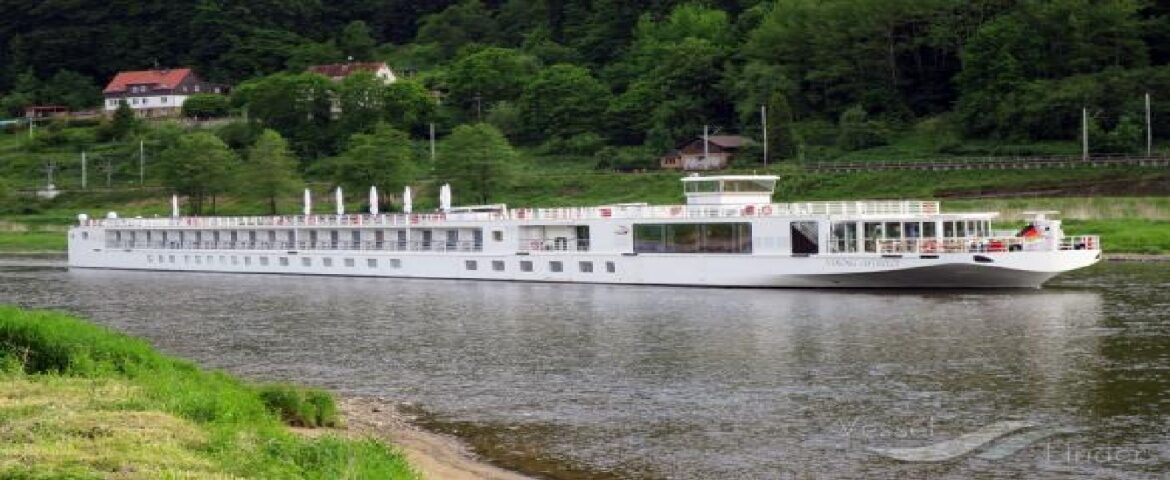
Viking Longships Astrid.

Viking Longships Astrid

126 Passengers
Visit the ship's page
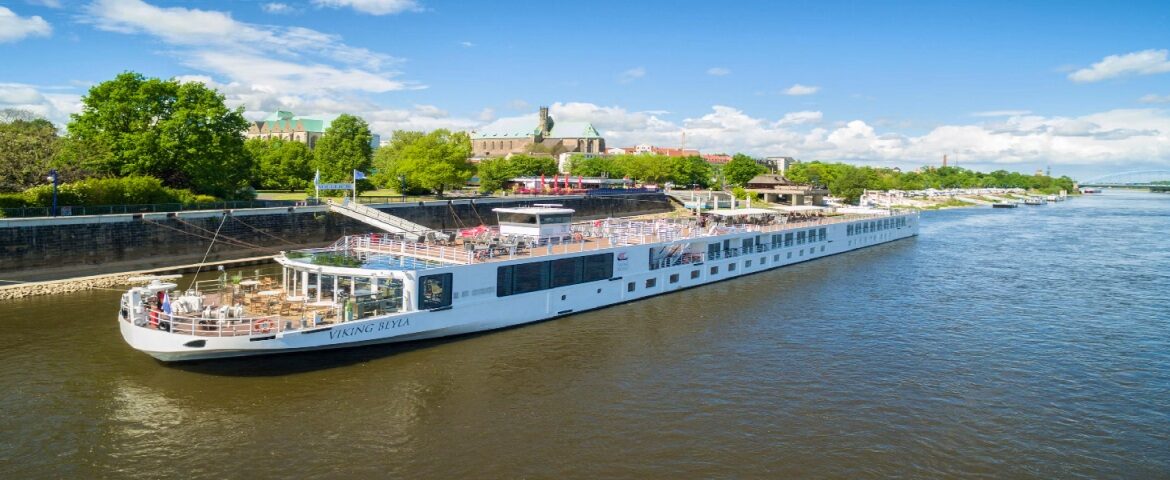
Viking Longships Beyla.

Viking Longships Beyla

131 Passengers
Visit the ship's page

Wittenberg, Germany | Cruise Port Guide

A monk, a hammer, a church door: on October 31, 1517, Martin Luther posted his Ninety-five Theses here and set off, without fully knowing it, an upheaval that would redraw the religious map of Europe. Five centuries later, Wittenberg remains a small town on the Elbe, peaceful and low-rise, where almost every façade in the centre has a link to this story. River boats dock on the bank, within walking distance of the old town, and the port call unfolds entirely along a simple axis: one long street linking the places where the Reformation was born.

The Theses Door

The Schlosskirche, the Castle Church, naturally opens the tour. The original wooden door was lost in an 18th-century fire; bronze doors engraved with the Latin text of the theses replaced it. Inside lie Luther and his fellow reformer Philip Melanchthon, beneath the rebuilt vaults of a sanctuary that has become a place of remembrance for Protestants around the world. From the top of the tower, when open, the view sweeps over red rooftops and the Elbe plain.

A Street Through the Reformation

From the Schlosskirche, Schlossstrasse and then Collegienstrasse cross the centre from west to east, lined with pastel Renaissance houses. On the market square, two statues face each other in front of the town hall: Luther and Melanchthon, frozen in bronze amid the stalls on market days. Nearby, St. Mary's Town Church, where Luther preached hundreds of times, holds an altarpiece painted by Lucas Cranach the Elder, another great name of the town. This ensemble has been a UNESCO World Heritage Site since 1996.

At Luther's and Cranach's

At the eastern end of the street, the Lutherhaus occupies the former Augustinian monastery where the reformer lived with his family. The museum within brings together old Bibles, portraits, manuscripts and everyday objects, including the room where Luther held his famous table talks. Along the way, the Cranach courtyards are worth a detour: the workshop of the painter and his son occupied these buildings around cobbled courtyards, now enlivened by artisans and a painting school. Melanchthon's house, with its elegant gabled façade, completes this quartet of listed sites.

The Elbe and Its Banks

Between visits, the riverbanks offer a breather. Floodplain meadows stretch out on either side, frequented by herons and cyclists on the Elbe cycle route, one of the longest in Germany. The contrast is soothing: after museum rooms dense with dates and engravings, the river flows without commentary, just as it did when students flocked to the University of Wittenberg in the 16th century.

Port Call Pointers

  • Docking on the Elbe, within walking distance of the centre; flat terrain along the entire route.
  • Schlosskirche: bronze doors engraved with the theses, tombs of Luther and Melanchthon.
  • Lutherhaus: the main museum devoted to the Reformation, at the other end of the central street.
  • St. Mary's Town Church: Cranach altarpiece; the market square is steps away.
  • The historic centre is a UNESCO World Heritage Site.

Before Heading Back on Board

Walking back to the river, there's often time to sit on the square and watch the light glide over the façades. Wittenberg fits into just a few streets, but what happened here crossed oceans; visitors arriving from Seoul, Lagos or Montreal all come looking for the same door. Few port calls offer such a shortcut: an afternoon's leisurely walk through a moment when the world changed direction.

Frequently Asked Questions

On the Elbe, within walking distance of the old town. The ground is flat the whole way, and the visit unfolds along one simple axis: a long street linking the places where the Reformation began.
Yes, entirely. Schlossstrasse and then Collegienstrasse cross the centre from west to east and connect all four listed sites. No transport is needed.
The Schlosskirche and its bronze doors, the market square, the Stadtkirche St Mary and the Lutherhaus. It all fits into an unhurried walk from one end of the main street to the other.
Because Martin Luther posted his ninety-five theses here on 31 October 1517, the act that triggered the Reformation. The historic centre has been a UNESCO World Heritage Site since 1996.
Not the original: the wooden door was lost to fire in the eighteenth century. Bronze doors engraved with the Latin text replaced it at the Schlosskirche. Luther and Melanchthon are buried inside.
The main museum devoted to the Reformation, in the former Augustinian monastery where Luther lived with his family, at the east end of the main street. Early bibles, portraits, manuscripts and the room of his table talk.
Moderately. The route is short and flat, which helps, but the appeal is mainly historical and museum-based. The Elbe banks and their floodplain meadows offer a welcome break between visits.
The euro. Cards work at the museums and main shops, but bring cash: several small cafés and shops on the main street prefer notes.
German dominates, but Wittenberg has welcomed visitors from around the world for decades: the museums and Reformation sites provide English material and staff manage well.
May to September for mild weather and the Elbe banks. On 31 October, the anniversary of the theses, the town fills up, which is worth knowing before booking.