Port of Freudenberg am Main | Cruise Port Guide

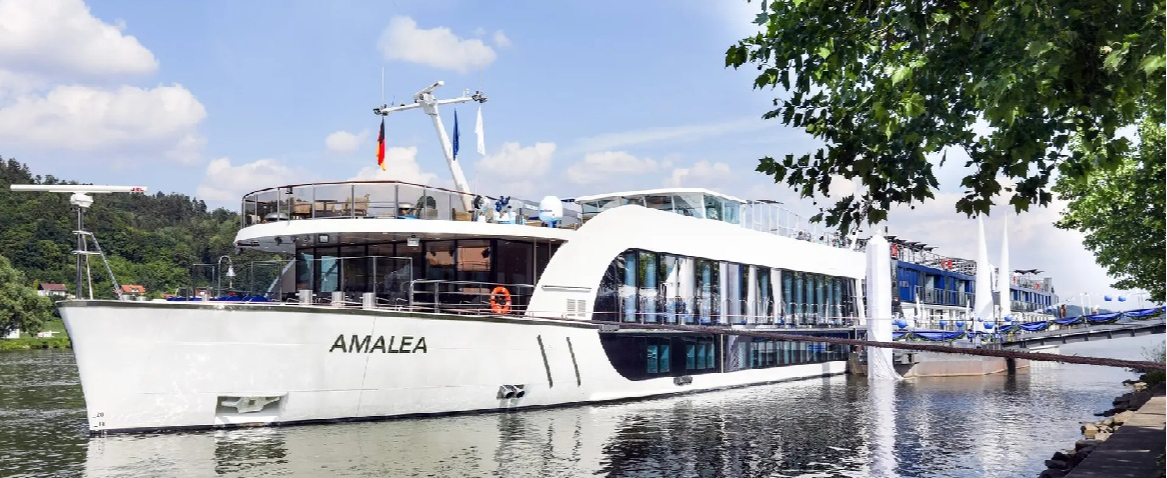
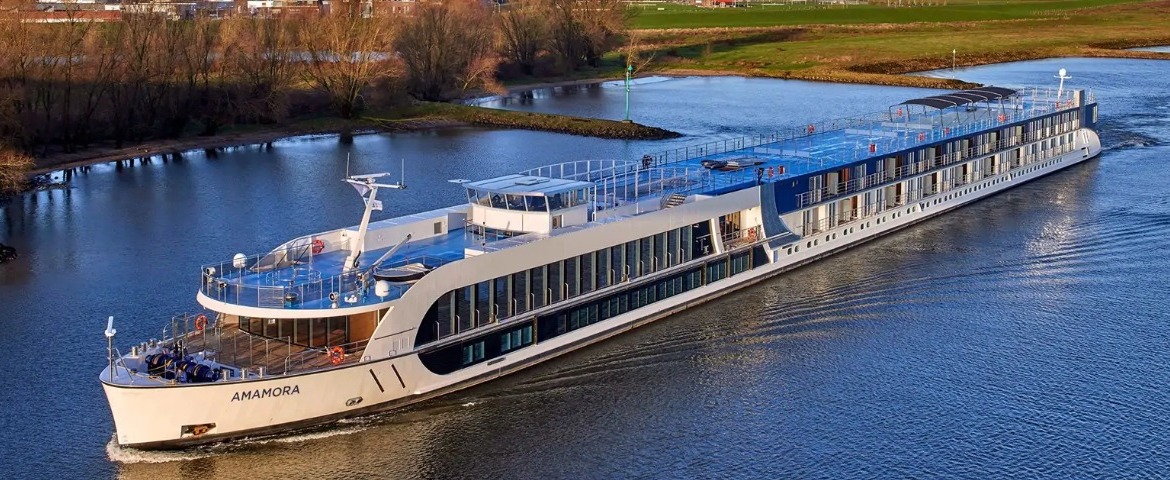
The Main flows unhurried here, and the village keeps the same pace. Freudenberg stretches along the left bank of the river, in Baden-Württemberg, facing the wooded hills of neighbouring Bavaria: just a single street, more or less, half-timbered houses lined up between the water and the slope, and above it all, the broken walls of a medieval castle that has stood guard for eight centuries. River boats connecting the Rhine to Nuremberg make a quiet stop here. There's no major landmark on the agenda, and that's exactly what makes the stop so worthwhile: an hour or two is enough to get a true feel for rural Germany along the Main.

Climbing to the Castle

The trail starts at the town hall and winds its way up through the trees. A few hundred steps higher, the ruins of the fortress once held by the lords of Freudenberg open their grassy courtyards to walkers, freely and with no admission fee. From the top of the square keep, the reward awaits: the river traces a lazy curve between vineyards and forests, the village's red rooftops huddle below, and barges glide slowly from one lock to the next. In summer, an open-air theatre sometimes takes over the old walls. Bring sturdy shoes and a bit of stamina, the climb has to be earned.

Half-Timbering and Flower-Lined Lanes

Back down in the village, it's worth taking the time to wander the main street. The half-timbered houses lean with age, geraniums spill over the balconies, and vaulted passageways offer glimpses into inner courtyards. An old wine cellar is a reminder that winemaking has shaped these hillsides since the Middle Ages: this is the edge of Franconia's wine country, home to those dry white wines sold in the Bocksbeutel, the flattened bottle recognizable at a glance. A handful of family-run inns serve local dishes, with river trout and game from the nearby forests leading the way.

The River as Companion

The landscaped riverbank invites a stroll along the water, in a calm broken only by herons and the muffled passage of river convoys. Cyclists know it well: the Main cycle path, one of the busiest in Germany, runs right through the village, and boats equipped with bikes let passengers follow a stretch of it to the next stop. The calm current, the symmetrical hills, the church spires echoing each other from one bank to the other: the scene has changed little over generations, and no one here seems to mind.

Miltenberg, the Dramatic Neighbour

Several itineraries combine this stop with Miltenberg, a few kilometres upstream on the Bavarian side. Its market square, framed by tall half-timbered façades and pink sandstone buildings, ranks among the most photographed in the country, and its inn Zum Riesen claims the title of one of the oldest in Germany. The excursion offers a more monumental glimpse of the valley, in contrast to Freudenberg's modest charm. Between the two, the river unfolds orchards, vineyards, and sleepy villages.

In Praise of Slowness

As the boat gets underway again, the keep standing above the trees stays in view for a long while from the upper deck. Freudenberg asked for nothing more than a little attention: a climb up to the ruins, a glass of Franconian wine, a passing conversation with a local woman watering her flowers, while swallows skim low over the water. River cruises build in these quiet pauses between major cities, and seasoned travellers know they often turn out to be among the trip's best memories.

Frequently Asked Questions

On the left bank of the Main, in Baden-Württemberg, facing the wooded hills of neighbouring Bavaria. River vessels linking the Rhine to Nuremberg make a quiet stop here, at the foot of the village.
None, and that is exactly what makes the stop worthwhile. The village is one street or nearly so, half-timbered houses lined up between the water and the slope, and above them the broken walls of a medieval castle. An hour or two is enough to touch the rural Germany of the Main.
Yes, and at no charge. The path starts at the town hall and climbs in switchbacks through the trees; a few hundred steps higher, the ruins of the lords of Freudenberg's fortress open their grassy courtyards freely to walkers.
It has to be earned: bring good shoes and some stamina, since it is several hundred steps of switchbacks. Travellers with limited mobility would do better to stay on the main street and the riverbank, which are flat.
The river curves lazily between vineyards and forest, the red roofs of the village huddle below, and barges slide slowly from one lock to the next. In summer an open-air theatre sometimes takes over the old walls.
The main street, where the timber-framed houses lean with age, geraniums spill from the balconies and vaulted passageways offer glimpses of inner courtyards. An old wine cellar recalls that viticulture has shaped these slopes since the Middle Ages.
The dry whites from the edge of Franconian wine country, sold in the Bocksbeutel, that unmistakable flattened bottle. A few family inns serve regional dishes, river trout and game from the neighbouring forests foremost among them.
Yes. The Main cycle path, one of the busiest in Germany, runs through the village, and vessels carrying bicycles let you ride a stretch of it to the next stop. The landscaped bank also invites a walk along the water.
Yes, several itineraries combine the stop with Miltenberg, a few kilometres upstream on the Bavarian bank. Its market square, framed by tall half-timbered facades and pink sandstone, is among the most photographed in the country, and its Zum Riesen inn claims to be one of the oldest in Germany.
The euro and German. In a village this size English is little spoken and the family inns prefer cash. Bring a few euros ashore.