Bad Schandau Germany Saxony

300 Cruises availables At departure or passage at this port

Viking River Cruises (300 Cruises)

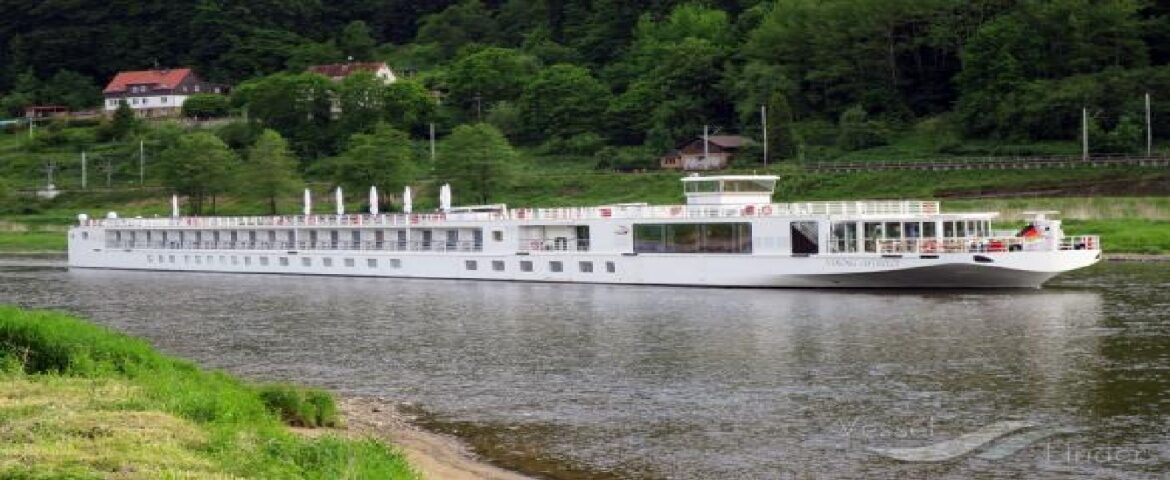
Viking Longships Astrid.

Viking Longships Astrid

126 Passengers
Visit the ship's page
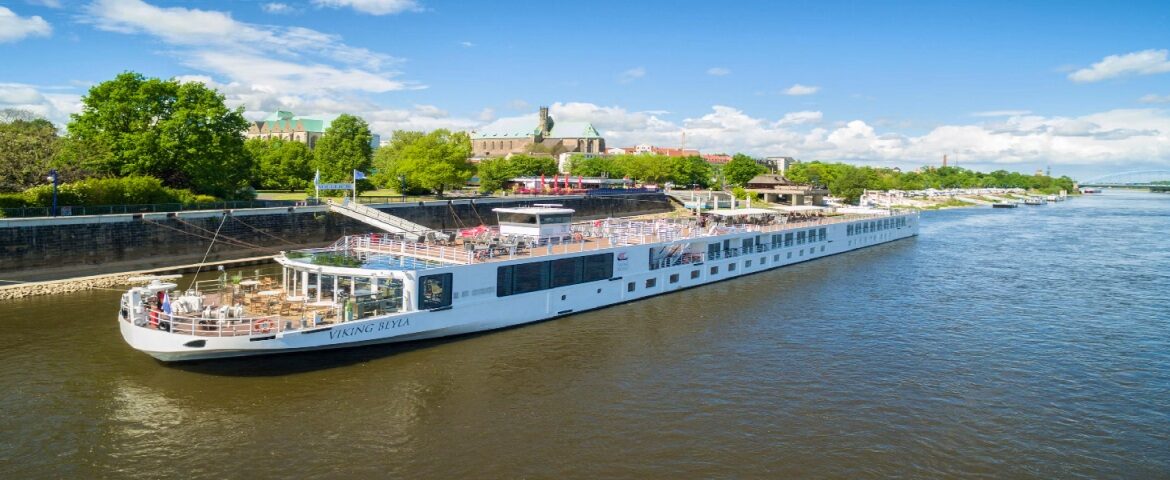
Viking Longships Beyla.

Viking Longships Beyla

131 Passengers
Visit the ship's page

Bad Schandau, Germany | Cruise Port Guide

Walls of pale sandstone rise on either side of the Elbe, carved into needles, tabletops and bastions by millions of years of erosion. The river winds its way between them, and the ship follows. Just a few kilometres from the Czech border, Bad Schandau appears tucked into this landscape: a small Saxon spa town that has become the gateway to Saxon Switzerland National Park. River ships dock right downtown, facing the mountains. This is a port call best experienced looking up.

A Spa Town at the Foot of the Cliffs

The town itself can be explored in no time: a central square, a church, well-kept spa hotels, and trails heading off in every direction. The Kirnitzsch stream runs through town before joining the Elbe, its murmur following walkers all the way to the square. Two technical curiosities stand out. First, the historic elevator, an elegant early 20th-century iron structure that lifts visitors up to the higher district and its viewpoint over the valley. Second, the Kirnitzschtalbahn, a vintage tram that leaves the centre and heads into the wooded Kirnitzsch valley, all the way to the Lichtenhain Waterfall. Boarding its yellow carriages means travelling the way day-trippers did a century ago, between forest and stream.

The Bastei, a Balcony Above the Elbe

The national park's most famous site lies downstream: the Bastei, a cluster of sandstone pinnacles linked by a 19th-century stone bridge, suspended nearly 200 metres above the river. From its platforms, the view takes in the bend of the Elbe, villages set along the banks and a sea of rock stretching to the horizon. This excursion, often offered by cruise lines, takes about half a day; independent walkers can also put together their own route using local transport. Few landscapes in Central Europe can rival this natural lookout.

Königstein, the Fortress on the Plateau

Upstream, a flat-topped mountain holds one of the largest fortresses in Europe: Königstein. Its walls follow the edge of the plateau all the way around, enclosing barracks, a deep well and centuries-old buildings. Never taken by force, the fortress served at various times as a refuge for Saxon rulers, a state prison, and a treasury in times of war. The visit combines military history with sweeping views over the valley; walking from one bastion to the next feels like strolling the deck of an enormous stone ship. Here too, a half-day is needed to see it all without rushing.

Choosing Your Port Call

  • Looking for nature: an excursion to the Bastei, the star of the national park.
  • Looking for history: Königstein Fortress and its panoramic ramparts.
  • Looking for quiet: the Kirnitzschtal tram to the waterfall, followed by a walk through the forest.
  • Short on time: the historic elevator, the upper district and the riverbanks are enough to capture the spirit of the place.

Whichever option you choose, bring comfortable shoes: this region is best enjoyed on foot, and the staircases carved into the sandstone are part of the fun.

Back Down to the River

The ship then continues along the Elbe toward Dresden or Bohemia, and the cliffs slide past the riverbanks one last time, as everyone looks back for the Bastei bridge or the ramparts of Königstein glimpsed just hours before. Bad Schandau leaves behind that particular feeling nature-focused port calls tend to leave: the memory of a silent, mineral world, barely disturbed by the creak of an old yellow tram or the footsteps of walkers on sandstone. Trail lovers already know it as they head back on board: this valley deserves days, not hours.

Frequently Asked Questions

Right in the centre, facing the mountains, on the Elbe a few kilometres from the Czech border. This small Saxon spa town is the gateway to Saxon Switzerland National Park: here, the call is spent looking upward.
A national park where pale sandstone walls rise on both sides of the Elbe, carved into needles, tables and bastions by millions of years of erosion. The river threads between them, and the ship with it. It has nothing to do with Switzerland: the name comes from 18th-century painters struck by the resemblance.
The park's most famous site, downstream: a cluster of sandstone pinnacles linked by a 19th-century stone bridge suspended nearly 200 metres above the river. From the platforms the panorama takes in the bend of the Elbe and an ocean of rock. Allow a half-day.
One of the largest fortresses in Europe, upstream, on a flat-topped mountain. Its ramparts follow the plateau edge all the way around. Never taken by assault, it served in turn as a refuge for Saxon rulers, a state prison and a wartime treasure depot. A half-day is needed.
Both take a half-day and do not combine in an ordinary port call. The Bastei for nature and panorama; Königstein for military history and the plunging views from the ramparts. If you cannot decide, the Bastei remains the park's headline sight.
A vintage tramway of yellow carriages that leaves central Bad Schandau and heads into the wooded Kirnitzsch valley as far as the Lichtenhain waterfall. Riding it means travelling as day-trippers did a century ago, between torrent and forest.
The historic lift, an elegant early 20th-century iron structure that carries visitors to the upper district and its viewpoint over the valley, then a walk along the riverbank. That is enough to grasp the spirit of the place without leaving the centre.
It takes little time to cover: a central square, a church, well-kept spa hotels, and trails heading off in every direction. The Kirnitzsch torrent crosses the town before joining the Elbe, and its murmur follows walkers right into the square.
Yes, whichever option you choose. The region is best appreciated on foot, and the stairways cut into the sandstone are part of the pleasure. Visitors with limited mobility will find the Bastei and Königstein demanding: the town centre and the historic lift suit them better.
The euro and German, in the state of Saxony. The Czech border is close but you remain in Germany. Keep cash for the tramway and small cafés; English is spoken at the park's tourist sites.