Villefranche-sur-Saône, France | River Cruise Port Guide

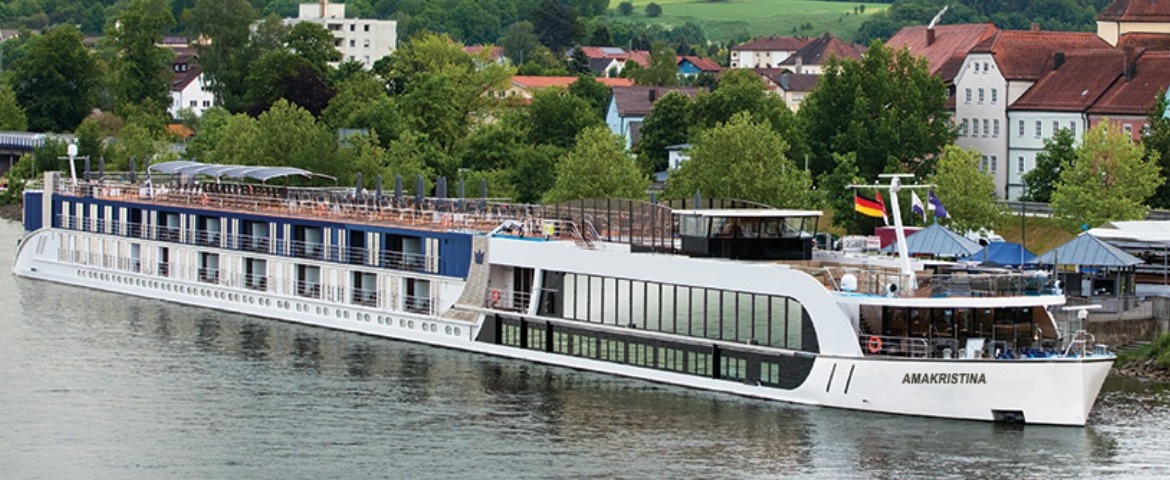
Stone here is the colour of honey. In the streets of Villefranche-sur-Saône, capital of Beaujolais, the Renaissance façades take on in the sun those golden hues that gave their name to the neighbouring villages, the famous Pierres Dorées country. River cruise boats stop along the Saône, a short distance from the centre, and from the outset the call is all about wine and the good life.

You are halfway between Lyon and the great Beaujolais crus, in a merchant town that has prospered thanks to trade and fairs since the Middle Ages.

Rue Nationale, the town's backbone

Most of the town's heritage is concentrated along Rue Nationale, a shopping street that crosses the centre from north to south. Behind the shop windows, you need to look up and push open doors: houses with turrets, mullioned windows, inner courtyards and discreet passageways reward the curious. These residences bear witness to the fortune of the cloth merchants and traders who built its prosperity. Residents are called Caladois, from the word calade, which refers to the flat stones that once lined doorsteps.

Notre-Dame-des-Marais, the local pride

A few steps from Rue Nationale rises the collegiate church of Notre-Dame-des-Marais. Its Flamboyant façade, worked like stone lace, contrasts with the simplicity of the surrounding houses. The interior, plainer, invites a cool break before you resume your stroll. The market, the bakeries and the Lyon-style bouchons complete the picture of a provincial France living at its own pace.

Beaujolais all around

You can't talk about this stop without mentioning the vineyards surrounding it. The hillsides begin at the edge of town and unroll their rows of gamay up to the mountains closing off the horizon. The excursions offered during river calls generally lead to the hilltop villages of the Pierres Dorées, such as Oingt, or to family cellars where the winemaker himself pours the tasting. Gamay reveals a far more nuanced range here than its reputation as a new wine suggests: the northern crus, from Morgon to Fleurie, deserve your time.

The town also cultivates traditions all its own. Every third Thursday of November, it celebrates with great fanfare the arrival of the new wine, of which it is the world epicentre. And in late January, the Fête des Conscrits sees residents parade by age group, in dark suits and flower-trimmed top hats, following a ritual handed down since the late 19th century. These events say a lot about a place where belonging is lived proudly, glass in hand.

A tasty break

Between discoveries, a meal is a must. Lyon specialties reign here as neighbours: quenelles, brioche-wrapped sausage, cervelle de canut, pink praline tarts. A glass of Beaujolais-Villages, a generous dish, a terrace on a small square: the program comes down to three things and satisfies most travellers. The most foresighted will slip a dry sausage or a jar of local honey into their bag, edible souvenirs that will extend the call long after returning to the river. A stop at the tourist office also helps you spot the Renaissance courtyards open to the public that day.

Back to the Saône

Heading back down to the river, you pass through peaceful neighbourhoods where life follows the rhythm of schools and shops. The Saône flows wide and calm, indifferent to the bustle of the world. From the boat's deck, the town's rooftops fade behind the trees on the banks. This Beaujolais stop has nothing spectacular about it in the strict sense; it offers something more lasting, the feeling of having shared, for a day, the way of life of a region that puts wine, stone and the table at the centre of everything.

Frequently Asked Questions

On the bank of the Saône, a short distance from the centre. Once in town, everything of interest lines the Rue Nationale, the artery crossing the centre from north to south, and it is all walkable on flat ground.
Two options that do not combine easily: stay in town for the Rue Nationale, its Renaissance courtyards and the Notre-Dame-des-Marais collegiate church, or head out into the vineyards. The town takes about two hours; Beaujolais takes the half-day.
The façades, by looking up. Behind the shop windows hide turreted houses, mullioned windows, inner courtyards and discreet passages, the legacy of the cloth merchants who built the town's fortune. A stop at the tourist office tells you which courtyards are open to the public that day.
From the word calade, the flat stones that once edged house thresholds. It is a scrap of local vocabulary guides enjoy sharing, and it says a lot about a merchant town that prospered on trade fairs from the Middle Ages onward.
Yes. The slopes begin at the edge of town. Excursions generally head for the hilltop villages of the Pierres Dorées, such as Oingt, or to family cellars where the winegrower pours the tasting personally.
No, and that is the most stubborn misconception. Gamay shows a far broader range than its young-wine reputation: the northern crus, from Morgon to Fleurie, age well and deserve attention. The nouveau is celebrated here every third Thursday of November, and this town is its world epicentre.
The southern part of Beaujolais, where the limestone takes on a honey colour in the sun that gave the area its name. You see it on the Renaissance façades of Villefranche-sur-Saône itself and in the hilltop villages nearby.
A local tradition in late January where residents parade by age group in dark suits and flowered top hats, following a ritual handed down since the late 19th century. River cruises rarely sail at that time of year, but the festival says much about how attached Caladois are to their town.
Lyon specialities rule here as close neighbours: quenelles, brioche-wrapped sausage, cervelle de canut fresh cheese, pink praline tart. A glass of Beaujolais-Villages on a small square terrace makes the call. Dry sausage or a pot of local honey are easy souvenirs to carry aboard.
Cards work fine in town. Keep some euros in cash if you head out to the vineyards, though: some small family cellars still prefer cash for a bottle bought after the tasting.