Le Pouzin France | Rhône River Cruise & Ardèche Guide

An eighteen-century-old stone bridge still spans the Ouvèze at Le Pouzin, and it alone sums up the destiny of this small Ardèche town: to cross the ages, no matter what. Set on the right bank of the Rhône, at the mouth of a valley that winds toward the plateaus, this Rhône cruise stop doesn't play in the same league as the great Provençal ports of call. It tells a different story: the resilient life of a river town that has seen it all, from Roman legions to the bombers of 1944.

The Roman Bridge, a Stubborn Survivor

A few minutes' walk from the quays, the Roman bridge deserves the first visit. Built in the 2nd century entirely of small limestone blocks quarried nearby, it crosses the Ouvèze in a single arch whose unusual width intrigues archaeologists: the crossing must have been busy to justify such a project, proof that the valley already served as a major travel corridor. The original abutments and vault still stand, eighteen centuries later. You linger to observe the masonry of the russet stones, imagine the carts and mule drivers, and appreciate the good fortune of still being able to lay a hand on an authentic Gallo-Roman structure.

An Eventful History

Le Pouzin bears the scars of several wars. A Protestant stronghold during the Wars of Religion, the town was devastated and burned by the royal armies in 1629. Three centuries later, in August 1944, Allied bombing aimed at the bridges and the fuel depot destroyed three-quarters of the town and cost the lives of forty-five residents. Rebuilt after the war, it preserves from that period a 20th-century church recognized among the region's notable sites of modern architectural heritage. Walking here means reading these layered strata: an ancient arch, postwar façades, a memory that is discreet yet present on every street corner.

The River, the Ouvèze and the ViaRhôna

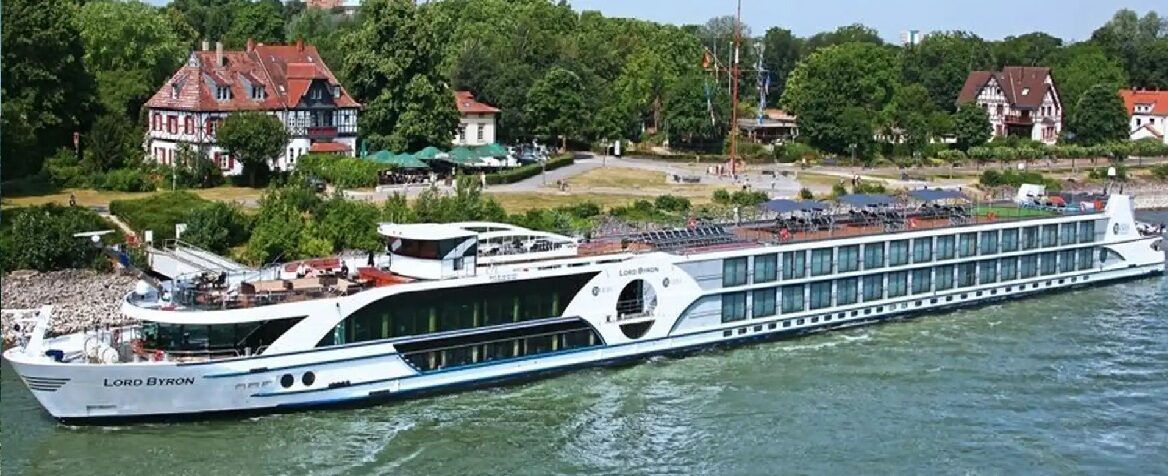
The riverbanks offer a peaceful walk at the confluence of the two waterways, where the lively waters from the Ardèche meet the great current descending from the Alps. The ViaRhôna, the cycle route that follows the Rhône from Lake Geneva to the Mediterranean, passes through the town: walkers can follow a section of it southward, between reed beds and apricot orchards, watching for herons and swans. Long-distance cyclists cross paths here with day walkers, panniers full and calves tanned, in that particular fellowship of paths that follow the water. The comings and goings of barges and river cruise ships bring the water to life, a reminder that this valley remains a living transport route and not just a backdrop.

Gateway to the Gorges de l'Ardèche

For many passengers, the port call serves as a starting point for exploring the hinterland. Coach excursions head to the Gorges de l'Ardèche, the canyon famous for its limestone cliffs and the natural arch of the Pont d'Arc, in a landscape of garrigue and holm oaks. The scenic road strings together dizzying lookouts above the river, where multicoloured canoes glide by. Those who stay in the village gain a quiet morning, a coffee on a patio beneath the plane trees and conversations with Ardèche locals proud of their corner of the country, always ready to recommend a honey or picodon cheese producer.

When the ship casts off and resumes its course with the current, the old arch disappears behind the trees. Le Pouzin doesn't try to dazzle. It bears witness, with the restraint of places that have survived, to what time does to towns and what towns do to time. Sometimes this kind of understated port call leaves a more lasting mark than many famous sites.

Frequently Asked Questions

On the right bank of the Rhône, in the Ardèche, where the Ouvèze valley opens out. The quays are a few minutes' walk from the Roman bridge and the village centre.
The Roman bridge. Built in the 2nd century entirely from small blocks of local limestone, it crosses the Ouvèze in a single arch whose unusual width still puzzles archaeologists. The original abutments and vault are still standing.
No, and the guide says so plainly. Le Pouzin does not play in the same league as the great Provençal ports and makes no attempt to dazzle. It tells the stubborn story of a river town that has survived everything, from Roman legions to the bombers of 1944.
The Roman bridge, a walk at the meeting of the Ouvèze and the Rhône, a coffee on a terrace under the plane trees. If the excursion is offered, the Ardèche gorges fill a full half day.
A Protestant stronghold during the Wars of Religion, the town was sacked and burned by royal armies in 1629. In August 1944, Allied bombing aimed at the bridges and the fuel depot destroyed three quarters of the town and killed forty-five inhabitants.
Yes. Reconstruction left a 20th-century church listed among the region's notable modern architectural sites. Walking here means reading layers: an ancient arch, post-war façades.
Yes. The ViaRhôna, the cycle route following the Rhône from Lake Geneva to the Mediterranean, passes through the commune. Take a stretch southwards, between reedbeds and apricot orchards, watching for herons and swans.
Yes, that is the headline excursion. Coaches head for the canyon famous for its limestone cliffs and the natural arch of the Pont d'Arc, on a panoramic road strung with viewpoints above the river.
The euro and French. In a town this size, carry some cash: cards are not accepted everywhere and English is little spoken.
Honey or picodon, the Ardèche goat cheese. Locals are proud of their corner of the country and always ready to point you to a producer.