Issy-les-Moulineaux France
10
Cruises availables
At departure or passage at this port
Riviera Travel (10 Cruises)
MS Jane Austen
10 Cruises
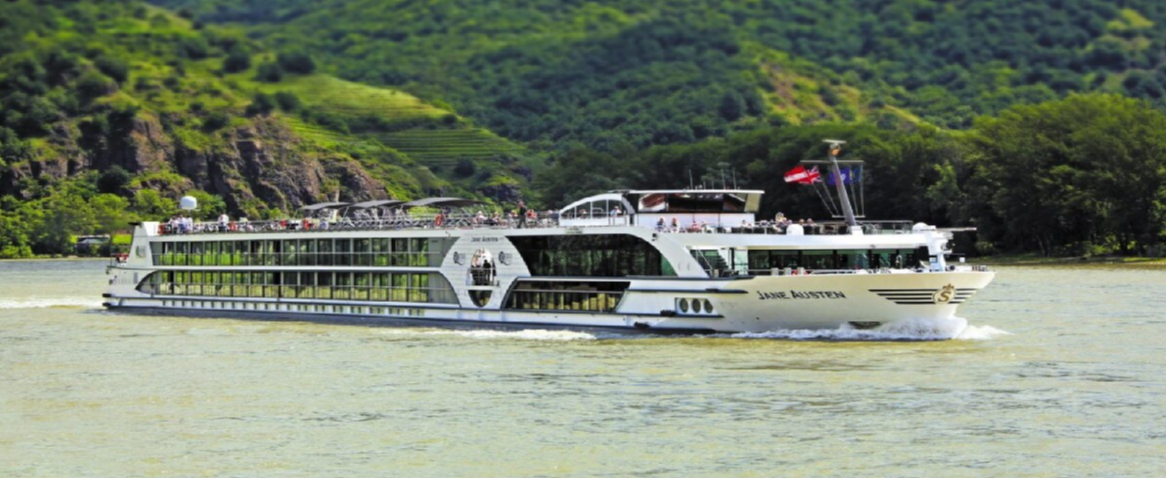

| 29 April | 11 days | Round-trip from Paris City, France |
450-628-6241
Call us
|
| 29 April | 10 days | Round-trip Paris, Normandy Historic Treasures of the Seine River Cruise - MS Jane Austen |
450-628-6241
Call us
|
| 23 May | 11 days | Round-trip from Paris City, France |
450-628-6241
Call us
|
| 23 May | 10 days | Round-trip Paris, Normandy Historic Treasures of the Seine River Cruise - MS Jane Austen |
450-628-6241
Call us
|
| 30 June | 10 days | Round-trip Paris, Normandy Historic Treasures of the Seine River Cruise - MS Jane Austen |
450-628-6241
Call us
|
| 30 June | 11 days | Round-trip from Paris City, France |
450-628-6241
Call us
|

Issy-les-Moulineaux France | Paris Gateway Cruise Guide
Frequently Asked Questions
On an arm of the Seine that looks nothing like the usual image of Paris quays: a green bank, trees, inhabited barges and a wooded island opposite. Yet Paris begins a few bridges away.
To spend the night quietly at the gates of the capital. It is a base-camp call: you sleep in peace, then reach Paris by tram or metro without parking or ring roads.
Tram T2 follows the Seine toward the pont de Sèvres or La Défense; metro line 12, a few minutes away, runs straight to the heart of Paris. Half an hour puts you at the Eiffel Tower, Les Invalides or Saint-Germain-des-Prés.
The Île Saint-Germain and its park, the French Playing Card Museum, and a walk up to the heights for the view. This is a calm, green call, not a concentration of monuments: know that before stepping off.
One of the great parks of the southwestern suburbs, directly opposite the mooring, reached in minutes by the bridges. Meadows, themed gardens and shaded paths have replaced former military land.
A monumental sculpture by Jean Dubuffet, 24 metres high, with red, blue and white interlacing, listed as a historic monument and set in the Île Saint-Germain park. You spot it from far off, and locals have made it their emblem.
A museum unique in France, in a contemporary building attached to a former château. It gathers early tarots, royal games and cards from around the world — a collection begun over a century ago and now a reference for historians of gaming.
The town was a cradle of French aviation: on its former parade ground, pioneers of the early 20th century made some of the very first flights in history. A heliport keeps the tradition alive.
Yes, from the upper parts of the town the view reaches the Eiffel Tower on one side and the towers of La Défense on the other: two centuries of French skylines in a single glance. It takes a few flights of steps to get there.
The euro, cards accepted everywhere, transport included. French is spoken; this is a Greater Paris town with a very international business district where English is easily found.


