Arromanches-les-Bains France

32 Cruises availables At departure or passage at this port

Riviera Travel (32 Cruises)

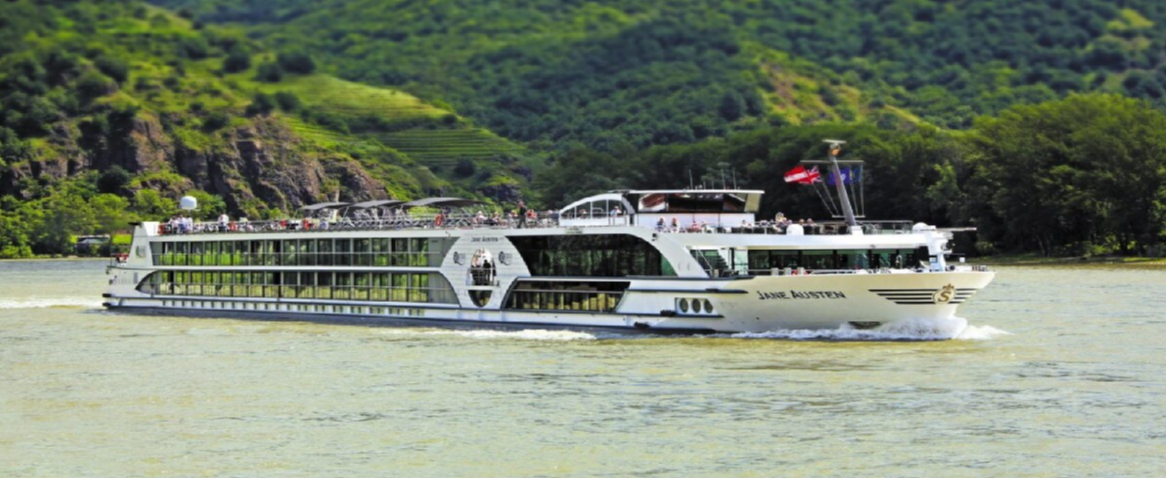
MS Jane Austen.

MS Jane Austen

184 Passengers
Visit the ship's page

Port of Arromanches-les-Bains, France | Cruise Port Guide

At low tide, giant concrete structures rise out of the sea facing the village. These are the caissons of the Mulberry B artificial harbour, towed from England in June 1944 and assembled here in just a few days to supply the advancing Allied forces. Eighty years later, Arromanches-les-Bains remains one of the few places in the world where a defining moment of the twentieth century can still be read directly in the landscape.

An Unusual Port of Call

There's no deep-water pier here: only expedition ships and smaller vessels call at this seaside town, anchoring offshore and bringing passengers in by tender or Zodiac depending on sea conditions. The beach and the village centre are just steps apart. Passengers from larger cruise ships, meanwhile, visit on excursions from Le Havre or Cherbourg, proof that the detour is well worth it.

Port Winston, the Invention That Changed the War

With no port on the Normandy coast in Allied hands, British engineers built one entirely from scratch: concrete caissons sunk in a wide arc, floating piers, and roads laid over pontoons. Named Port Winston in honour of Churchill, the harbour operated for months; roughly 2.5 million men, 500,000 vehicles and 4 million tonnes of supplies passed through it. From the seafront promenade, the line of caissons can still be made out offshore, and at low tide, visitors can walk right up to the pieces stranded on the sand.

The D-Day Landing Museum

Facing the beach, the D-Day Landing Museum tells the story of the harbour's design, its tow across the Channel and its operation, through animated models, archival film footage and personal accounts. The visit takes about an hour and gives real meaning to the concrete shapes just seen offshore. Information is available in French and English, and the museum remains accessible to visitors with reduced mobility.

The Circular Cinema on the Cliff

On the high ground east of the village, the Arromanches 360 cinema projects a film made entirely of archival footage across nine screens, with full surround sound. The film, with no actors or unnecessary narration, runs about twenty minutes and rarely leaves visitors unmoved. It's a ten-minute walk uphill; the nearby esplanade also offers the best view over the bay, the harbour remains, and the slate rooftops of the village below. A viewing table nearby helps locate Gold Beach, the British sector on June 6.

The Village Between Visits

The town has a few hundred residents, one main street, crêperies and shops devoted to the memory of 1944. The atmosphere remains that of a small Normandy seaside resort: striped beach huts, calling gulls, and families digging for shellfish as the tide goes out. A café facing the seawall is all it takes to take the measure of this place, where world history and everyday life share the same horizon.

Arromanches Port Call at a Glance

ItemDetail
Going ashoreAt anchor, by tender or Zodiac depending on the sea
D-Day Landing MuseumWaterfront, 5-minute walk
Arromanches 36010-minute walk, atop the cliff
Harbour remainsVisible from the seawall; accessible at low tide
Good to knowClosed-toe shoes and a windbreaker recommended

What Stays with You Heading Back on Board

Passengers leave Arromanches quieter than when they arrived. The weathered caissons, the beach now belonging to children again, the Allied nations' flags snapping on the seawall: everything here is a reminder that the freedom to wander through a peaceful port call was won one morning in June, on this very sea. Few destinations give visitors so much to reflect on in so few hours.

Frequently Asked Questions

At anchor, by tender or zodiac depending on sea conditions. There is no deep-water pier here: only expedition ships and small vessels call in front of the village. The beach and the village centre are a few steps from the landing.
Yes, but as a land excursion from Le Havre or Cherbourg. Large ships cannot anchor off the village; the road trip is very popular, which says a good deal about the site.
Mulberry B, or Port Winston, built from scratch by British engineers: concrete caissons sunk in an arc, floating quays and roads on pontoons, towed from England in June 1944 and assembled here within days.
Roughly 2.5 million men, 500,000 vehicles and 4 million tonnes of materiel during the months the harbour operated. It was named after Winston Churchill.
Yes. From the sea wall promenade you can make out the line of caissons offshore, and at low tide you can walk out to the sections grounded on the sand. It is one of the few places in the world where a decisive twentieth-century moment can be read straight off the landscape.
The design, towing and operation of the artificial harbour, explained through animated models, film archives and testimony. The visit takes about an hour, is offered in French and English, and the building is accessible to visitors with reduced mobility. It faces the beach, five minutes' walk away.
A circular theatre on the hill east of the village, screening a twenty-minute archive film across nine screens, with no actors and no unnecessary narration. It is a ten-minute walk up; the nearby esplanade gives the best view over the bay.
The D-Day Museum first, about an hour, then the sea wall promenade and the remains. The climb to Arromanches 360 and its orientation table, which locates Gold Beach, the British sector on 6 June, fills out the half day.
Closed shoes and a windbreaker. Landing is by tender or zodiac, the beach is wide and the Channel wind blows even in summer. The sand turns soft near the grounded caissons.
Yes, serious subject matter notwithstanding. The village is still a small Norman seaside resort: striped bathing huts, crêperies, families digging for shellfish when the tide is out. The animated models in the museum hold younger visitors' attention well.