Aix-en-Provence France

25 Cruises availables At departure or passage at this port

Tauck Cruises (25 Cruises)

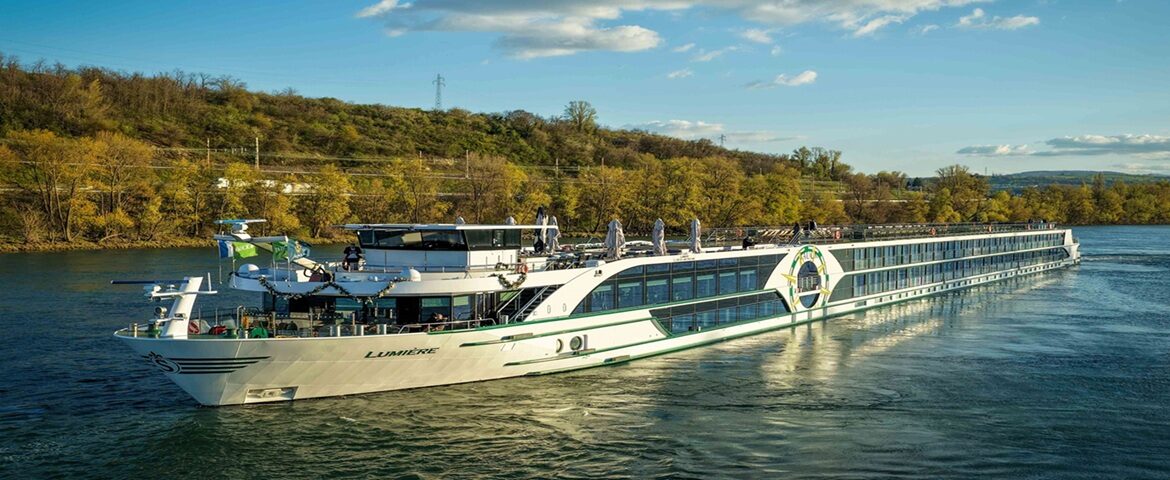
ms lumière.

MS lumière

130 Passengers
Visit the ship's page

Port of Aix-en-Provence, France | Cruise Port Guide

You hear Aix-en-Provence before you see it: water runs over the squares, through the gardens of grand mansions, at street corners, as if the city breathes through its fountains. The ships, however, dock at Marseille; about thirty kilometres separate the terminal from Provence's former capital, or 30 to 45 minutes by tour coach, taxi or train from Saint-Charles station. The journey is entirely worthwhile: few Mediterranean ports of call offer such a concentration of elegance within such a walkable perimeter.

Mirabeau Avenue

Everything begins at the Rotonda Fountain, a vast nineteenth-century basin from which the great arteries depart. Mirabeau Avenue opens just behind: a double row of hundred-year-old plane trees, façades from the seventeenth and eighteenth centuries with wrought-iron balconies, café terraces where shade seems organised since time immemorial. Midway, the moss-covered fountain lets warm water filter through a thick mantle of vegetation. You pass it without hurrying; here, walking slowly is almost a civility.

The Squares and Markets of Old Aix

North of the avenue, the tangle of ancient streets reserves a square at every turn. Richelme Square welcomes a producers' market each morning: goat cheeses, olives, melons in season, fresh-cut herbs. A little further, the Town Hall Square gathers a clock tower with astronomical dial, a sculpted grain hall and pastel façades. Sweet-toothed visitors leave with calissons, the almond and candied melon lozenge that Aix confectioners have shaped since the fifteenth century.

Saint-Sauveur: A Thousand Years in One Building

The Cathedral of Saint-Sauveur layers epochs: a baptistery from the first Christian centuries resting on Roman columns, a tiny peaceful Romanesque cloister, Gothic naves. Inside hides the triptych of the Burning Bush, painted by Nicolas Froment in the fifteenth century for King René. The ensemble sits on the path of the university founded in 1409, in a neighbourhood where students and booksellers maintain constant animation.

Inside Cézanne's Studio

Paul Cézanne was born here in 1839 and never truly left its light. His studio at Les Lauves, half an hour's climb from the centre, remains as he left it: smock hanging, pots, skulls and bottles used for still lifes. From the neighbouring grounds, Mont Sainte-Victoire rises on the horizon, exactly as in his paintings. Coming down, the Granet Museum holds a few works by the master alongside its European painting collections. Those short on time retreat to the Hôtel de Caumont, an eighteenth-century mansion transformed into an arts centre, two steps from Mirabeau Avenue.

Excursion Reference Points

ElementDetail
DockingMarseille terminals; Aix about 30 kilometres away
Journey30 to 45 minutes by coach, taxi or train
Richelme Square marketEvery morning
Cézanne's studio1.5 kilometres from centre, steady climb
Currency and languageEuro; French

The Aix Lesson

On the road back to the ship, the hills file past and Mont Sainte-Victoire lingers in the rear-view mirror. Aix showed nothing extraordinary in the strict sense: plane trees, singing water, golden façades. It did better. It proved that an afternoon can suffice to understand why some painters devoted their entire lives to the same mountain.

Frequently Asked Questions

Ships dock in Marseille. Aix lies about 30 kilometres away, a 30 to 45 minute ride by shore-excursion coach, taxi or train from Saint-Charles station.
Yes, by train from Saint-Charles station or by taxi. You first have to get from the cruise terminal into central Marseille, which the port shuttle handles; build that leg into your timing.
Completely. Old Aix fits into a very walkable area, and few Mediterranean calls pack this much elegance into so small a space.
The Rotonde fountain and the Cours Mirabeau, the morning market on Place Richelme, the town hall square with its astronomical clock tower, then Saint-Sauveur Cathedral. Cézanne's studio fits in if the schedule allows.
The main avenue of Aix: a double row of century-old plane trees, seventeenth- and eighteenth-century facades with wrought-iron balconies, and cafe terraces. Halfway along, the moss-covered fountain seeps warm water through a thick green mane.
On the Lauves hill, about 1.5 kilometres from the centre, a steady half-hour walk uphill. The studio remains as the painter left it: smock on its hook, pots, skulls and bottles used in the still lifes.
A thousand years of architecture in one building: an early Christian baptistery resting on Roman columns, a tiny Romanesque cloister and Gothic naves. It also holds the Burning Bush triptych, painted by Nicolas Froment in the fifteenth century for King René.
Every morning on Place Richelme: goat cheeses, olives, melons in season and herbs cut that day. This is the growers' market, separate from the antiques stalls on the other squares.
Calissons, the almond and candied-melon lozenge that Aix confectioners have shaped since the fifteenth century. They travel well and are sold throughout the old town.
Not always. Under six hours in port, the round trip eats up much of the day and Marseille itself offers more. Beyond six hours, Aix is well worth it.