Champion Island Galapagos
Ecuador

312 Cruises availables At departure or passage at this port

HX Expeditions (156 Cruises)

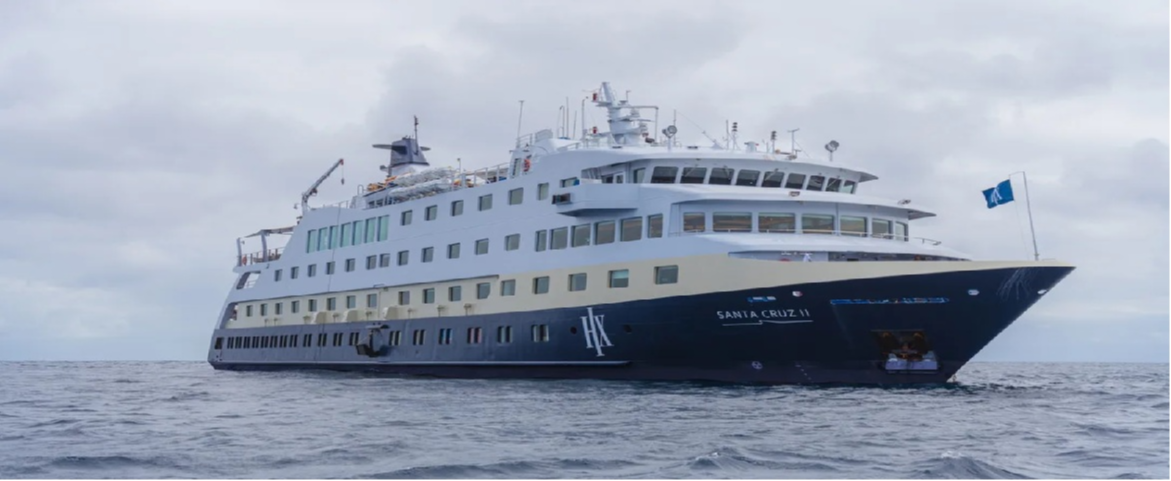
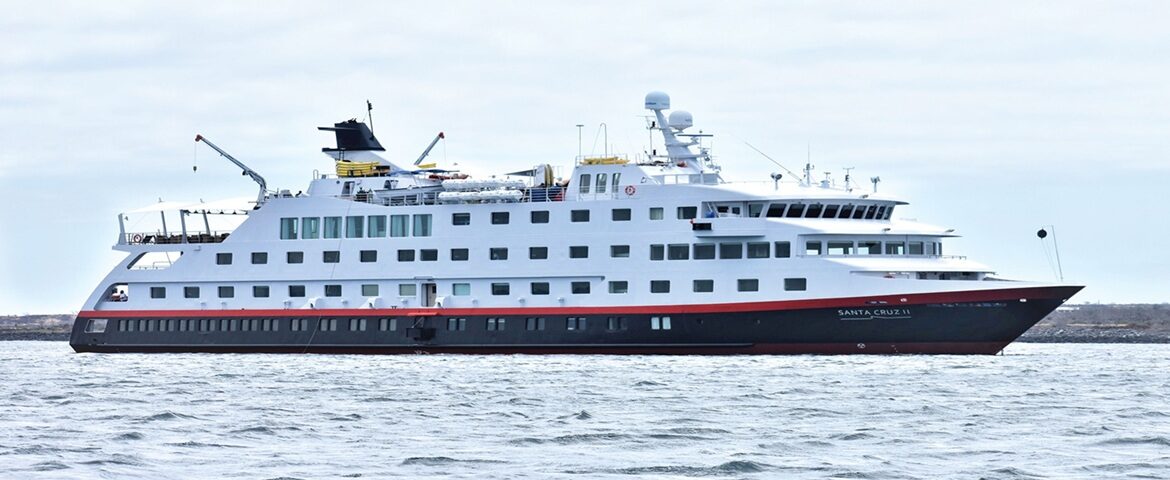
MS Santa Cruz II.

MS Santa Cruz II

2664 tons
Visit the ship's page

Tauck Cruises (156 Cruises)

Santa Cruz II22

Santa Cruz II

90 Passengers
Visit the ship's page

Champion Islet, Galápagos | Cruise Port Guide

No one sets foot on Champion. The rule is absolute, and it explains everything: this tiny islet off Floreana, in the southern Galápagos archipelago, protects one of the rarest birds on the planet. Expedition ships cruising these equatorial waters nonetheless approach it regularly, because what happens around its shores is well worth the trip, landing or not.

A Tiny Refuge at the Edge of the Archipelago

Named after Andrew Champion, a 19th-century whaler, the islet is nothing more than an eroded volcanic cone, capped with giant cacti and ringed by low cliffs. Its modest size belies an outsized importance: the Floreana mockingbird, wiped out on the main island after rats and cats were introduced, survives only on this refuge and on one other nearby rock. The local population is estimated at just a few dozen individuals. Visits are therefore made exclusively by inflatable boat, under the guidance of the national park's naturalist guides.

The Panga Circuit

Cruising along the cliffs by panga, as the small boats are known here, feels like a marine safari. The equatorial light makes the contrasts come alive: dark lava, orange lichen, white sea foam, and that deep blue found only in the cold waters of the Humboldt Current. The guides cut the engine beneath the cliff overhangs: seabirds nest by the dozen in the crevices, marine iguanas cling to the black rocks, and green sea turtles poke their heads up between waves. With patience and a good pair of binoculars, you can try to spot the famous mockingbird hopping among the prickly pear cacti. Actually seeing one remains a rare privilege; simply knowing it's out there somewhere above your head is already enough to delight birdwatchers. The outing is usually combined, on the same day, with nearby sites on the main island, making for a particularly full morning.

Swimming with Sea Lions

Then comes the moment everyone's been waiting for: getting into the water. The waters around Champion rank among the best snorkelling sites in the entire archipelago, and their fame rests on a colony of especially playful Galápagos sea lions. The young animals dart toward swimmers, spin in pirouettes, blow strings of bubbles, nip at fins, and keep coming back for more. Around them swim parrotfish, moray eels, rays, and, on occasion, the elegant shadow of a Galápagos shark, perfectly indifferent to the swimmers. The water stays cool despite the equator; a light wetsuit makes for a more comfortable, longer swim.

ExperienceModeGood to Know
Cliff-side observationPanga, no landingBinoculars essential
Snorkelling with sea lionsWater entry from the pangaLight wetsuit recommended
Spotting the Floreana mockingbirdFrom the water or the pangaPopulation of just a few dozen birds

Understanding the Rules of the Game

The national park operates on a simple principle: every site has its own rules, and Champion embodies the strictest of them all. The ban on landing, far from being a letdown, is what gives the visit its meaning. Standing just a few metres from a cliff you're forbidden to set foot on, you get a real sense of what a species' survival costs, and what the collective discipline that makes it possible is worth. The guides also tell of restoration projects underway on nearby Floreana, which dreams of one day welcoming its lost mockingbird back home.

As the ship pulls away toward its next anchorage, the islet returns to what it has never stopped being: a sun-scorched rock where a few dozen grey birds hold the line against extinction. The passengers, meanwhile, climb back aboard with salt on their skin and one certainty: the smallest islands sometimes tell the biggest stories. Come evening, sea lion stories fill every table in the lounge, proof that no landing was ever needed for the day to be a happy one.

Frequently Asked Questions

No, never. Landing is prohibited without exception: the islet shelters the Floreana mockingbird, one of the rarest birds on earth, with only a few dozen individuals left here and on one neighbouring rock.
Because everything happens around the islet, not on it. The outing combines a dinghy circuit along the cliffs with a swim at what ranks among the finest snorkelling sites in the whole archipelago.
Off Floreana, in the southern Galápagos, Ecuador. It is an eroded volcanic cone topped with giant cactus and ringed by low cliffs. It takes its name from Andrew Champion, a nineteenth-century whaler.
Guides run along the cliffs and cut the engine beneath the ledges. Seabirds nest by the dozen in the crevices, marine iguanas cling to the black rock, and green turtles surface between waves. Good binoculars change everything.
Honestly, low. The local population numbers a few dozen birds and spotting it from a boat takes patience and luck. Many visitors leave without seeing it, and for most birders simply knowing it is there is enough.
For the colony of Galápagos sea lions, which is unusually playful. The young ones rush at swimmers, spin, blow strings of bubbles, nip at fins and come back for more. Parrotfish, moray eels and rays fill out the scene.
Yes, you may cross paths with a Galápagos shark, completely indifferent to swimmers. It is not a cause for concern: guides supervise every entry and these encounters are ordinary in the archipelago.
Cooler than you would expect on the equator, because of the Humboldt Current. A light wetsuit makes the snorkelling session much more comfortable; many ships provide one.
Usually a morning, often combined the same day with nearby Floreana sites. That makes it one of the fullest half days on a naturalist itinerary.
You need to be comfortable in water and willing to enter from the dinghy in open sea, with no beach and no bottom underfoot. Flotation vests are available on board, but the entry is offshore: less confident swimmers are better off staying in the panga, where the viewing remains excellent.