Barranquilla Colombia
93
Cruises availables
At departure or passage at this port
AmaWaterways (93 Cruises)
AmaMagdalena
41 Cruises
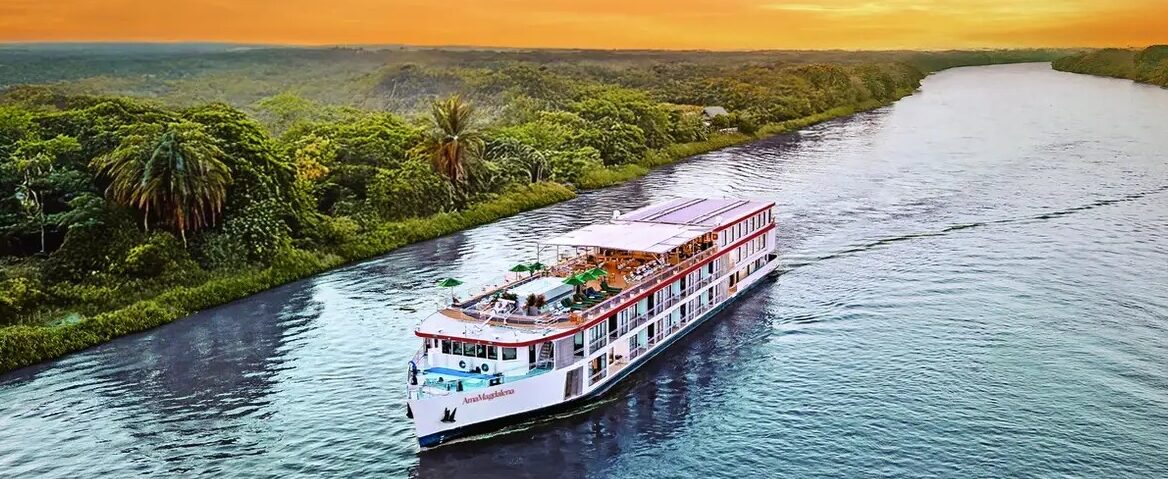

| 31 October | 8 days | One-way from Barranquilla Colombia to Cartagena Colombia |
450-628-6241
Call us
|
| 31 October | 7 days | One-way from Barranquilla Colombia to Cartagena Colombia |
450-628-6241
Call us
|
| 12 June | 8 days | One-way from Barranquilla Colombia to Cartagena Colombia |
450-628-6241
Call us
|
| 26 June | 8 days | One-way from Barranquilla Colombia to Cartagena Colombia |
450-628-6241
Call us
|
| 2 October | 8 days | One-way from Barranquilla Colombia to Cartagena Colombia |
450-628-6241
Call us
|
| 23 October | 8 days | One-way from Cartagena Colombia to Barranquilla Colombia |
450-628-6241
Call us
|
AmaMelodia
52 Cruises
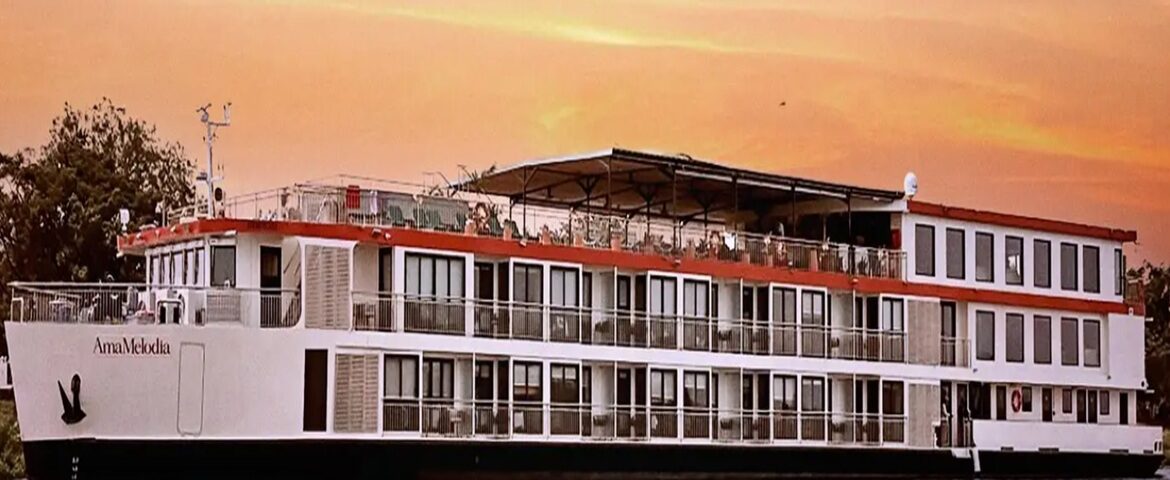
| 28 October | 7 days | One-way from Barranquilla Colombia to Cartagena Colombia |
450-628-6241
Call us
|
| 28 October | 8 days | One-way from Barranquilla Colombia to Cartagena Colombia |
450-628-6241
Call us
|

Barranquilla Colombia | Caribbean Culture & Cruise Port Guide
Frequently Asked Questions
No, and that is part of its appeal. Ocean calls remain occasional, while river cruises on the Magdalena have recently made it their starting point. You will find a proud, unvarnished Caribbean metropolis, not a cruise showcase.
At the mouth of the Magdalena, the river that runs more than 1,500 km down from the Andes to meet the Caribbean Sea. Everything arrived by way of it: trade, migrants, music, and Colombia's first steamships.
The landscaped promenade running several kilometres along the riverbank, among green spaces, terraces and public art. The statue of Shakira, a local daughter, draws the photographs. It is where to take the city's pulse before heading into the centre.
The Gran Malecón first, then the Casa del Carnaval and a walk along Paseo Bolívar. If time remains, the El Prado district and its 1920s mansions round out the day without ever straying far from the centre.
Because here it is not a party but an identity. Recognised by UNESCO as intangible cultural heritage, it mobilises the entire population each year before Lent, with congo dances, tiger masks and flowered floats.
The Casa del Carnaval keeps its memory alive: embroidered costumes, headdresses, music and archives explaining how African, Indigenous and European traditions fused on this coast. The visit illuminates everything else about the call.
Paseo Bolívar, a commercial artery where stalls spill onto the pavements; San Nicolás de Tolentino, the oldest parish, with its neo-Gothic façade; and the metropolitan cathedral, massive and firmly modern, surprising for its concrete-and-stained-glass interior.
The exact point where the brown waters of the Magdalena mix with the blue of the sea, at the end of a spit north of the city. The site is raw and windy, and fishermen cast their lines from the breakwater. Best reached on an organised excursion.
The Colombian peso, with small notes essential for markets and stalls. Spanish is spoken and English is uncommon outside hotels: a few words of Spanish transform the welcome you get.
December to April, the driest season, with trade winds softening the heat. The climate stays hot and humid year-round; the river breeze makes late afternoons markedly more pleasant.


