Koh Oknha Tey Island Cambodia Silk Island, Chong Koh Village
Cambodia

181 Cruises availables At departure or passage at this port

AmaWaterways (139 Cruises)

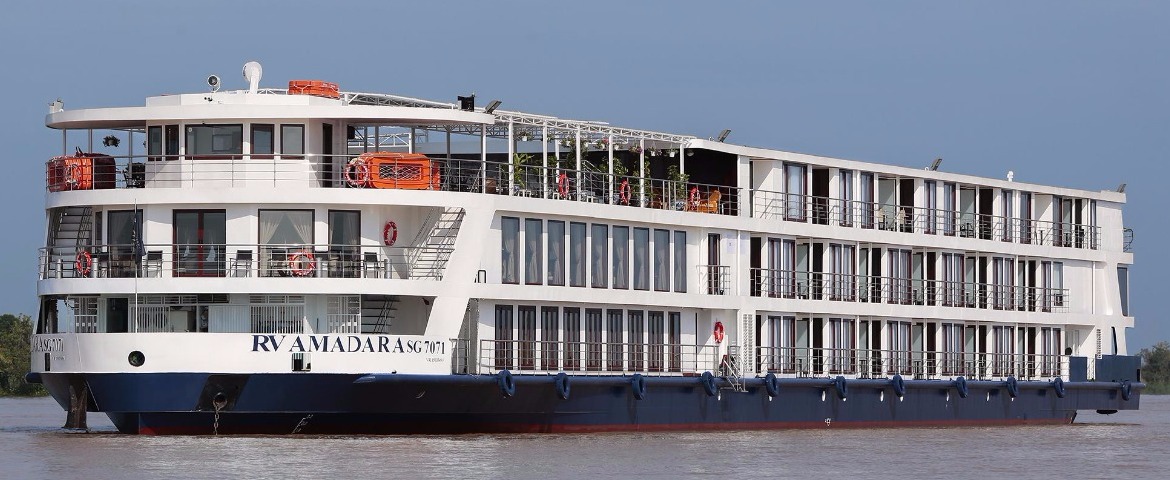
Cruise Ama AmaWaterways RV AmaDara ship

AmaDara

124 Passengers
Visit the ship's page
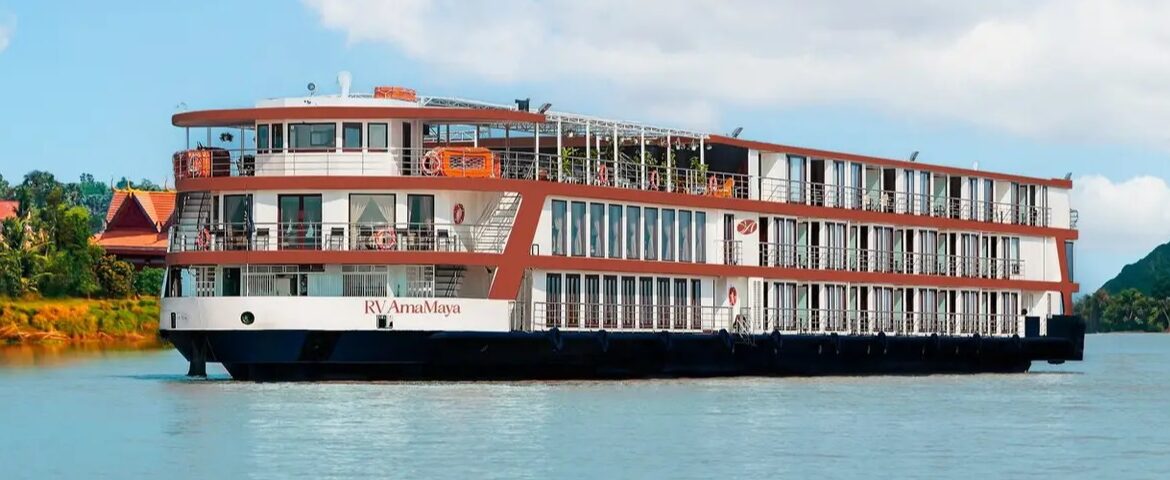
AmaMaya.

AmaMaya

176 Passengers
Visit the ship's page

Scenic Cruises (42 Cruises)

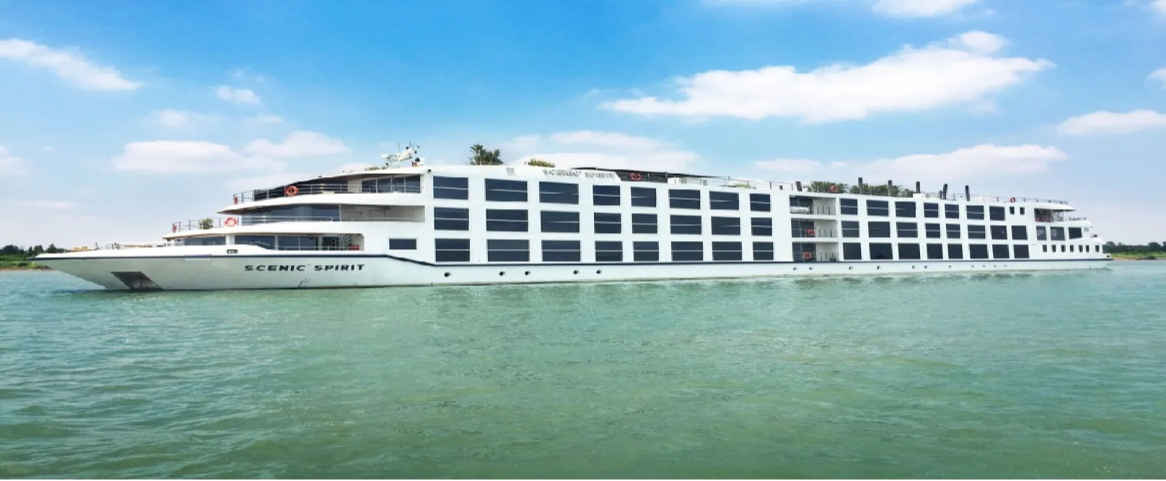
Scenic Spirit.

Scenic Spirit

68 Passengers
Visit the ship's page

Koh Oknha Tey Island, Cambodia | Cruise Port Guide

About twenty kilometres upstream from Phnom Penh, the Mekong embraces a flat land covered with orchards and mulberry trees that Cambodians call Silk Island. Koh Oknha Tey has lived from thread for generations. River cruise ships moor at the bank, and decorated tuk-tuks await passengers, horns honking cheerfully, in the shade of the mango trees, to take them along red-earth paths to the weaving village of Chong Koh. The ride itself, between bamboo hedges and colourful houses, is already worth the trip. The stop usually lasts half a day, enough to see everything without ever feeling rushed.

Thread, from Cocoon to Scarf

The visit follows the path of the silk itself. It begins at the rearing trays, where silkworms devour mulberry leaves with a sound like gentle rain before sealing themselves in their golden cocoons. Next comes reeling: dipped in hot water, the cocoons release an almost invisible thread that the women wind onto large wooden reels. Then the dyeing, prepared in basins of deep colours, and finally the weaving. Each step takes place before passengers' eyes, explained by those who have practised it since childhood, often with a humour that needs no translation. The demonstrations are priceless for anyone who never imagined that a square of silk begins with a caterpillar.

Looms Beneath the Houses

In Chong Koh, almost every family has its own wooden loom, set up in the shade beneath the stilt house. The pedals keep time, the shuttle flies between the taut threads, and the patterns appear row by row with a slowness that commands respect: a complex scarf takes entire days of work. The weavers notably produce the krama, the checked scarf seen everywhere in Cambodia, tied around farmers' heads and students' necks alike, as well as richly coloured fabrics for weddings and ceremonies. Buying them here, directly from the person who wove them, gives the souvenir in your suitcase a whole new weight.

Countryside Living to the River's Rhythm

Between workshops, the tuk-tuk passes through scenes of the Khmer countryside: banana trees, tidy vegetable gardens, zebu lying in the shade, schoolchildren in blue and white uniforms ringing their bicycle bells. Some itineraries also offer a kayak outing along the banks, at water level, to watch fishers and floating gardens from the river itself. Nothing here seems staged: the community simply works, and welcomes visitors with a curiosity equal to their own. The best of the port call lies in those hours, with no monuments or admission tickets: a greeting exchanged over a hedge, a loom picking up its rhythm again, a teapot set on the low table for passing visitors.

Tips for This River Port Call

  • Mooring at the riverbank; tuk-tuk ride to the weaving workshops.
  • Complete demonstrations, from silkworm rearing to the loom.
  • Purchases in US dollars or riels; small bills are useful.
  • Hat and water bottle recommended: the terrain is flat but very sunny.

At departure time, the loom pedals are still beating beneath the houses, steady as a pulse. You take away from Koh Oknha Tey a square of silk, of course, but above all the memory of those precise hands that turn mulberry leaves into festive fabrics, on an island the Mekong cradles without ever rushing it.

Frequently Asked Questions

At the island's riverbank on the Mekong, about twenty kilometres upstream from Phnom Penh. Decorated tuk-tuks wait in the shade of the mango trees to take passengers to the workshops.
By tuk-tuk, along red dirt tracks between bamboo hedges and brightly painted houses. The ride out to the weaving village of Chong Koh is half the pleasure of the call.
Because it has lived off thread for generations. The island is covered in mulberry trees, and almost every family in Chong Koh has a wooden loom set up in the shade beneath the stilt house.
The whole chain, from cocoon to scarf: the worms devouring mulberry leaves, the cocoons unwound in hot water, the dyes prepared in basins, and finally the weaving itself.
The stop usually runs half a day, which is enough to see everything without rushing: the tuk-tuk ride, full demonstrations, buying from the weavers, and a loop through the island countryside. Some itineraries add a kayak outing along the banks.
The checked scarf seen everywhere in Cambodia, tied on farmers' heads and around students' necks. The weavers of Chong Koh make many of them, alongside deep-toned fabrics for weddings and ceremonies.
Whole days for a complex piece. The shuttle runs between the taut threads and the pattern appears line by line, at a pace that explains what handwoven work costs.
US dollars and Cambodian riel, in small bills. Purchases are made directly from the families, in cash only.
A hat and a water bottle above all: the ground is flat but very exposed, and shade is limited to the mango trees and the space under the houses. Closed shoes help on the dirt tracks.
Very much so. The tuk-tuk, the silkworms and the looms hold children's attention, and the route is flat and short. The kayak option, where offered, does call for some comfort on the water.