Nikopol Bulgaria
Bulgaria

14 Cruises availables At departure or passage at this port

Riviera Travel (14 Cruises)

Nikopol, Bulgaria | Cruise Port Guide

Between Vidin and Ruse, river ships sometimes make a stop that maps barely mark: Nikopol, a few thousand residents nestled between limestone cliffs and the Danube. Nothing here is spectacular at first glance. And yet, in 1396, Europe's destiny was decided on these hills, and it is this buried memory that gives the stroll its strange depth.

A landing without fanfare

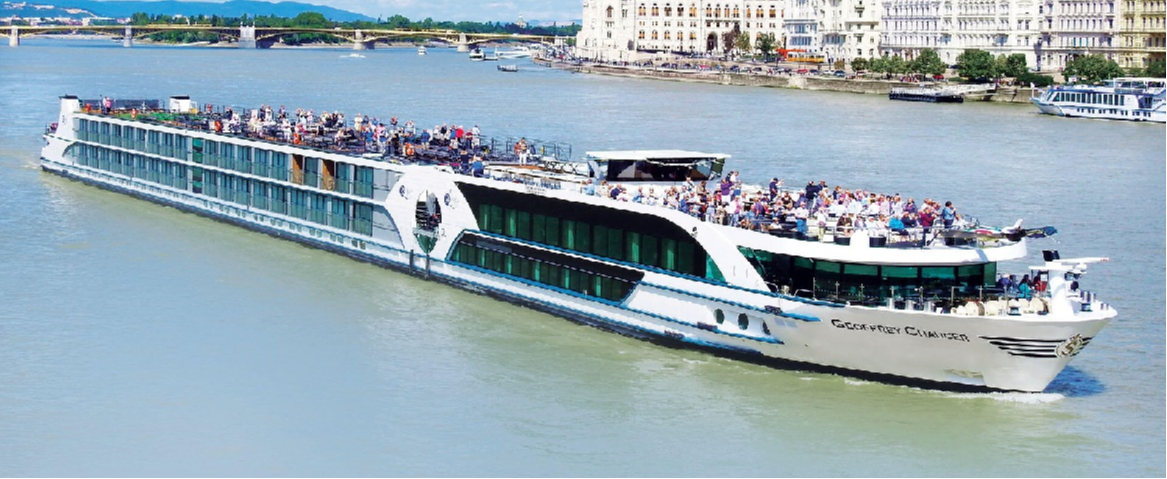
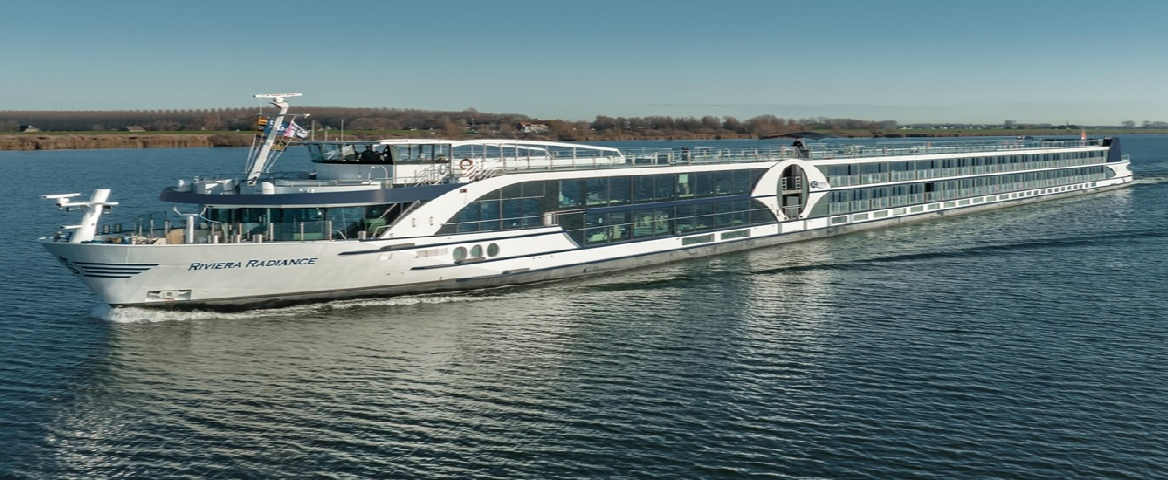
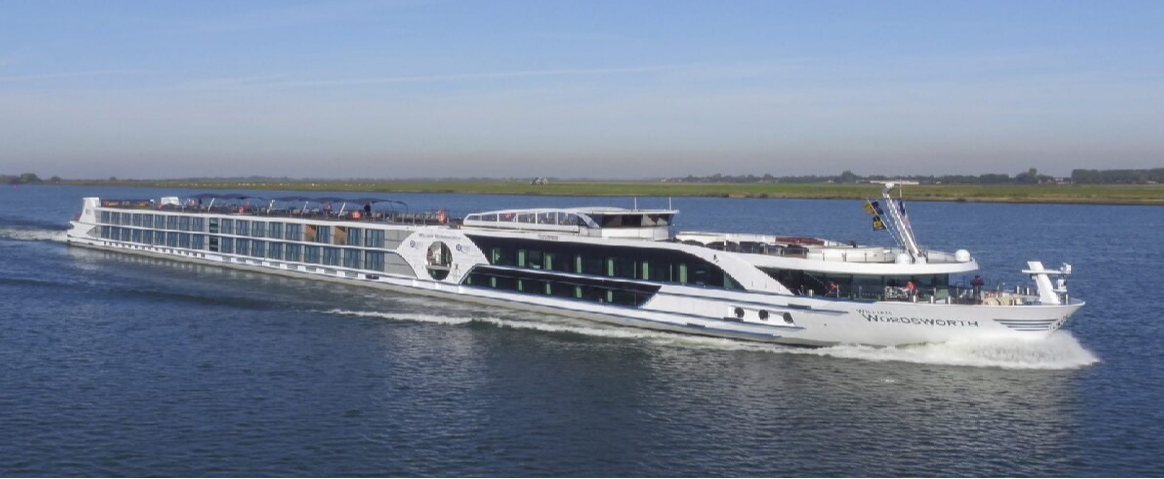
The boat moors at the riverbank, at the foot of the houses, often for only half a day. No terminal, no shops: you walk down the gangway and immediately find yourself in rural Bulgaria, a land of orchards, vegetable gardens and quiet streets where neighbours greet each other from their benches. Everything is done on foot, at a pace the summer heat imposes on its own; bring a hat, water and shoes fit for the climb to the heights, because that is where the stop takes on its full meaning. The river, very wide here, flows toward the Romanian bank, where the outlines of Turnu Măgurele, the town opposite, can be made out; tugboats push their barges one way, swallows dart the other, and you quickly understand that this will be the main show.

1396, the last great crusade

On the height overlooking the rooftops, the remains of the medieval fortress survive: sections of wall, grassy terraces and a view that explains everything. Nikopol locked the Danube. The stronghold served as the last refuge of the Bulgarian tsar Ivan Shishman, captured by the Ottomans in 1395; the following year, the crusader army of King Sigismund of Hungary, strengthened by French, Burgundian and German knights, came to lay siege beneath the ramparts. Sultan Bayezid swooped down on it and crushed it. The Battle of Nicopolis, in which the young John the Fearless was captured along with the flower of Burgundian chivalry, put an end to the great European crusades and opened the road to the Balkans to the Ottomans for five centuries. Standing among the tall grasses, facing the river, you realize how history sometimes chooses modest places in which to change course.

The town today

Back down in the centre, you stroll along streets lined with low houses, between the Church of Saints Peter and Paul, a 13th-century stone sanctuary that ranks among the oldest in the country, and shady squares where coffee is sipped slowly. The traces overlap with no regard for chronology: Roman foundations of the neighbouring ancient Nicopolis ad Istrum, medieval stones, Communist-era façades and satellite dishes. Few shops cater to travellers, and that is all the better; you buy apricots or tomatoes at the market, exchange a few words with a fisherman and watch storks repairing their nest on a utility pole. The most curious will look for the Ottoman fountain and the column fragments reused in low walls, a discreet treasure hunt through two thousand years of successive occupations. Ships sometimes offer an excursion into the hinterland; many passengers simply choose to walk, and they are not wrong.

River time

The end of the port call belongs to the riverbank itself. Here the Danube sets its own rhythm: barges gliding toward Ruse, motionless fishermen and poplars quivering at the slightest breeze. Sunsets over the Romanian plain rank among the broadest on the river, with not a single building to interrupt them. When the ship casts off, Nikopol quickly fades behind its promontory. What remains is a singular impression: that of having walked, for an hour or two, in a place where Europe trembled, and which the world then forgot. Some ports of call are told through monuments; this one is told through time, wind and grass over ruins.

Frequently Asked Questions

The boat ties up to the bank at the foot of the houses, often for half a day only. There is no terminal and no shops: you walk down the gangway straight into rural Bulgaria.
Everything is on foot. The climb to the remains of the medieval fortress is what gives the stop its meaning, and the walk back down to the Saints Peter and Paul church and the shaded squares completes it.
Sections of wall and grassy terraces on the height above the rooftops, with a view that explains everything: Nikopol locked the Danube. The stronghold was the last refuge of the Bulgarian tsar Ivan Shishman, taken by the Ottomans in 1395.
The Battle of Nicopolis, the last great European crusade. The crusader army of King Sigismund of Hungary, with French, Burgundian and German knights, laid siege beneath the ramparts; Sultan Bayezid fell on it and crushed it. The young John the Fearless was captured there along with the flower of Burgundian chivalry.
A thirteenth-century stone sanctuary, among the oldest in Bulgaria. It stands in the centre, a few minutes' walk from the bank.
Low houses, shaded squares and a layering of traces that ignores chronology: medieval stone, communist-era facades, satellite dishes. The curious can hunt for the Ottoman fountain and the column fragments reused in the low walls.
Yes: a hat, water and shoes that can handle the climb to the heights. Summer heat imposes a slow pace on its own, and the path to the fortress is unimproved.
Very few, and that is the point. You buy apricots or tomatoes at the market and trade a few words with a fisherman. Almost nothing here targets the traveller: the town simply lives its ordinary life.
Very wide, with the Romanian bank opposite where the outlines of Turnu Măgurele appear. Tugs push their barges one way, swallows dart the other. The sunsets over the Romanian plain are among the broadest on the river.
It depends what you are after. Nothing is spectacular at first glance: this is a call told through time, wind and grass on ruins, in a place where Europe tipped before being forgotten.